
Alright, so you think you’ve seen weird movies? You think you can handle it? The Holy Mountain is the kind of film that makes you question what cinema even is, what reality is, and also whether you need a glass of water and maybe a lie down. It’s not for everyone. But if it is for you, it’ll stick with you forever.
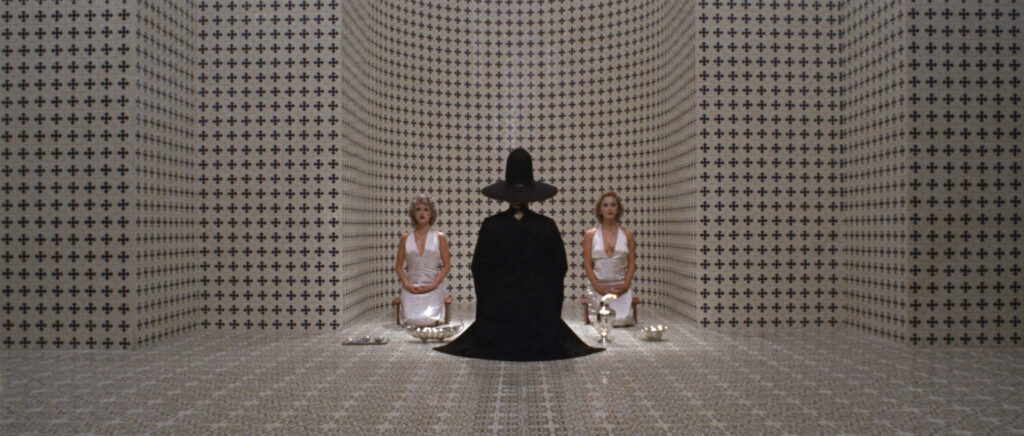
The Basics
- Title: The Holy Mountain (La Montaña Sagrada)
- Year: 1973
- Director: Alejandro Jodorowsky
- Producer: Allen Klein / Alejandro Jodorowsky
- Screenplay: Alejandro Jodorowsky
- Stars: Alejandro Jodorowsky, Horacio Salinas, Zamira Saunders, Juan Ferrara
- Runtime: 114 minutes
- Genre: Surrealist / Avant-garde / Spiritual / Psychedelic
- Studio: ABKCO Films
Source: IMDB
What Is The Holy Mountain (1973) About?
Okay, so here’s the thing — asking “what’s The Holy Mountain about?” is a little like asking “what’s a fever dream about?” But let’s try.
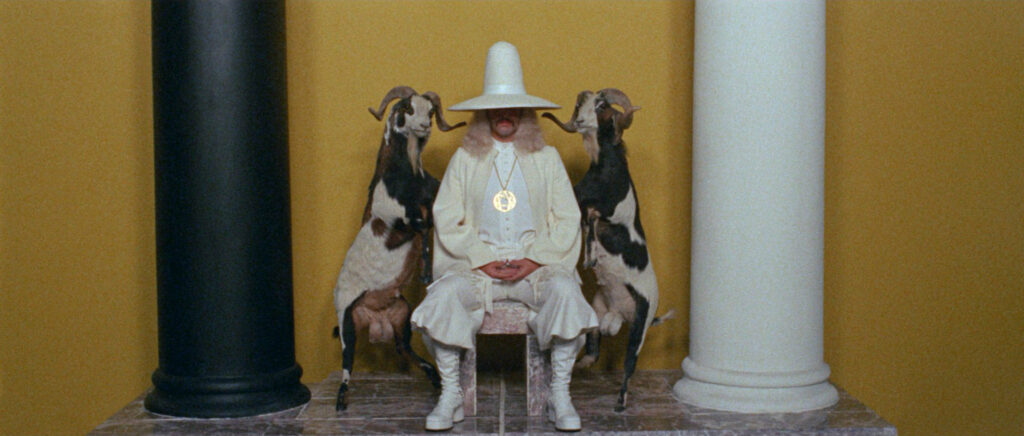
The film follows a nameless Christ-like figure called The Thief, wandering through a chaotic, grotesque world. He eventually meets The Alchemist (played by Jodorowsky himself), a mystical guru who gathers together eight of the most powerful, corrupt people on Earth — each one representing a planet — to embark on a spiritual journey to the Holy Mountain, where immortal gods are said to live.
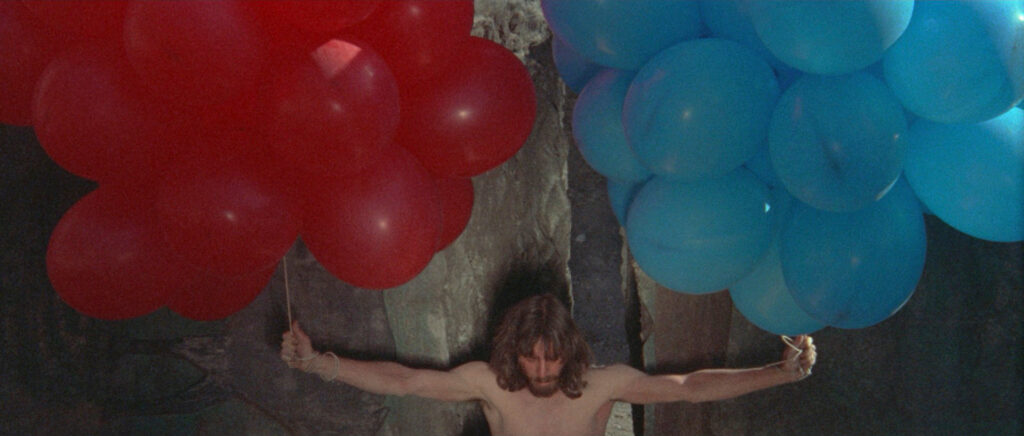
Along the way you’ll witness: fake Christs being mass-produced for export, a toad-and-lizard reenactment of the Spanish Conquest of Mexico, a man whose entire business is turning human feces into gold, ritualistic ceremonies, nudity, symbolism piled on top of symbolism, and an ending that will genuinely mess with your head in the best possible way.
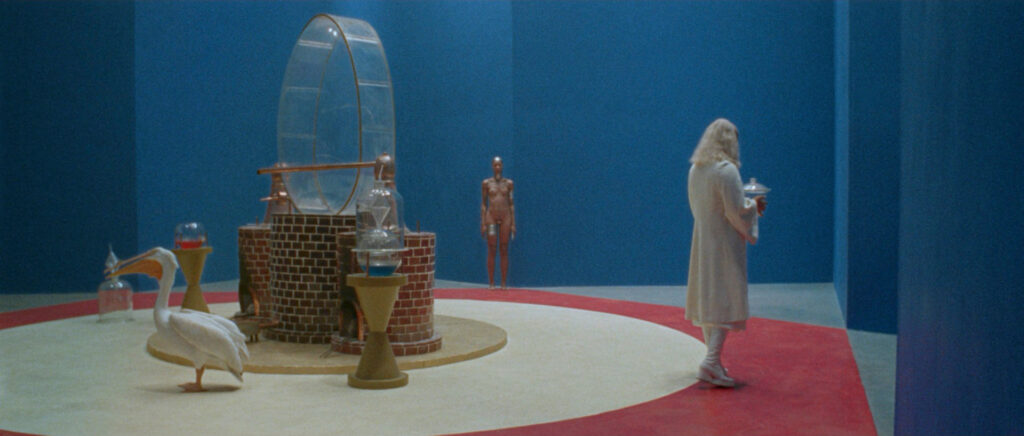
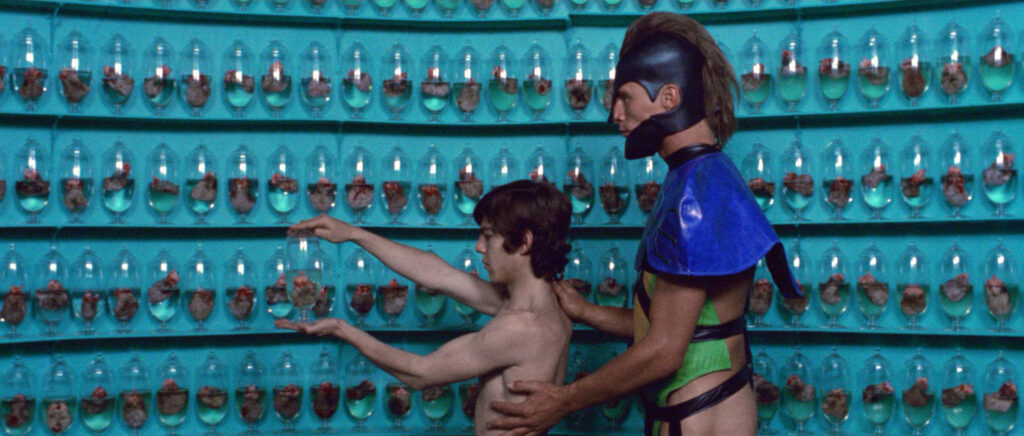
It sounds like chaos. It kind of is. But it’s intentional chaos — every single image in this film means something.
Who Made This Thing?
Alejandro Jodorowsky is a Chilean-French filmmaker, comic book writer, mime, spiritual teacher, and — depending on who you ask — either a genius or a madman. Probably both.
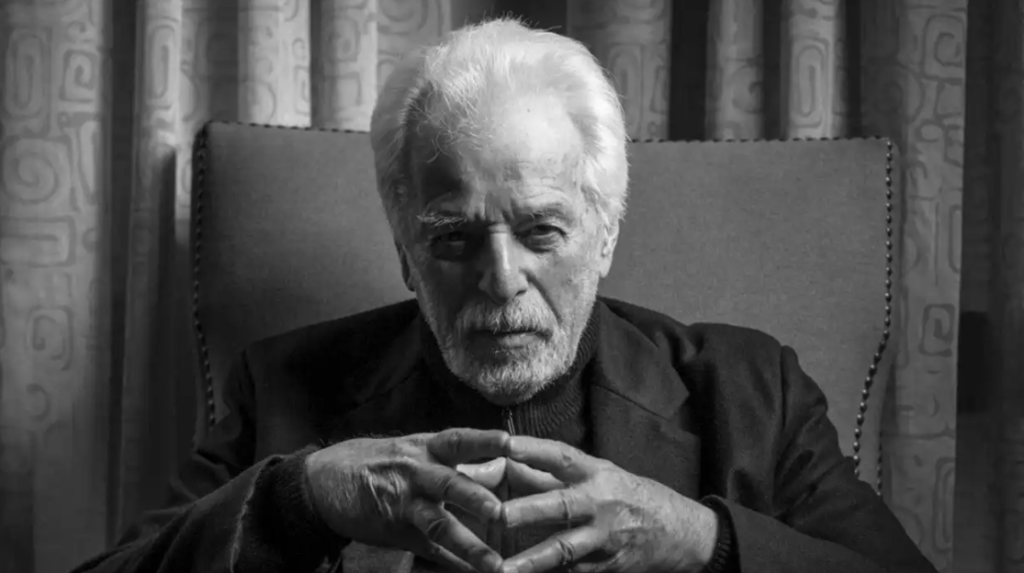
The Holy Mountain came right after his cult classic El Topo (1970), which John Lennon loved so much he convinced Yoko Ono and Allen Klein to fund Jodorowsky’s next project with a $1 million budget. With that money and zero studio interference, Jodorowsky went absolutely wild.
He wasn’t just making a movie — he was creating a spiritual experience. The cast underwent real psychological preparation. Jodorowsky himself fasted, meditated, and reportedly studied under several spiritual teachers to prepare for the role of The Alchemist. The film was shot in Mexico, and the production was as unconventional as the film itself.
Why The Holy Mountain (1973) Is Such a Big Deal
The Holy Mountain is one of those films that exists in its own category. Here’s why people still talk about it 50+ years later:
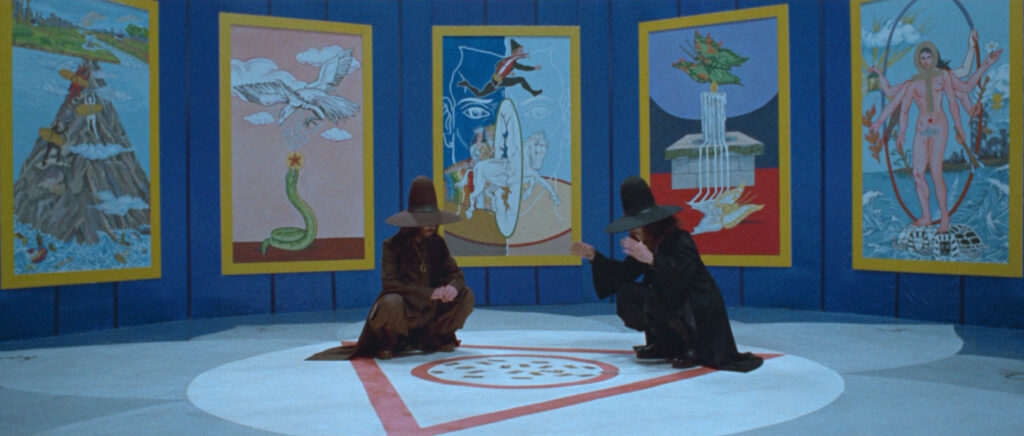
The visuals are genuinely unlike anything else. Every single frame looks like it was painted by someone who had access to the deepest parts of the subconscious. The production design is jaw-dropping — elaborate, bizarre, sometimes beautiful, sometimes disturbing, always striking. Cinematographer Rafael Corkidi deserves massive credit here.
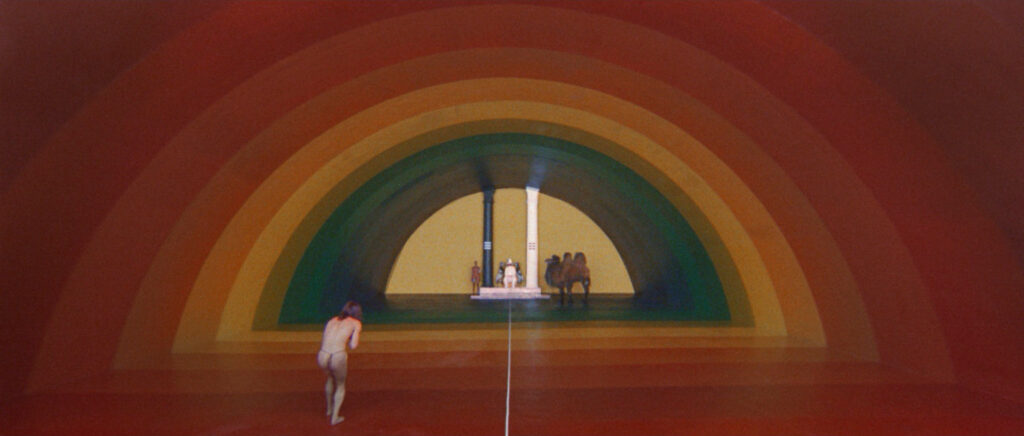
It’s not trying to entertain you in the traditional sense. Jodorowsky isn’t telling a story so much as performing a ritual on the audience. He wants to provoke, challenge, and transform you. The film is essentially a critique of capitalism, organized religion, consumerism, and the ego — delivered via the most surreal imagery imaginable.
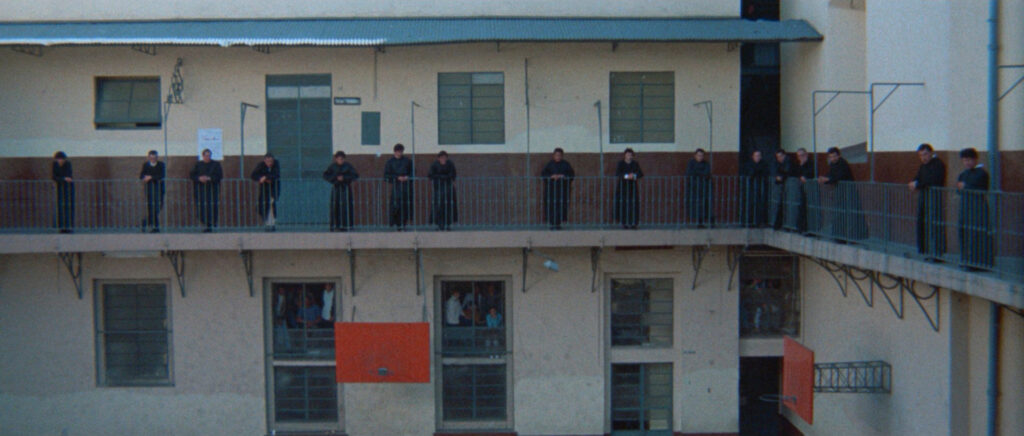
It has layers. On the surface it looks like pure madness. But dig a little deeper and there’s genuine philosophy here — influenced by Tarot, alchemy, Zen Buddhism, Gnosticism, and psychedelic thought. You can watch it ten times and notice new things each time.
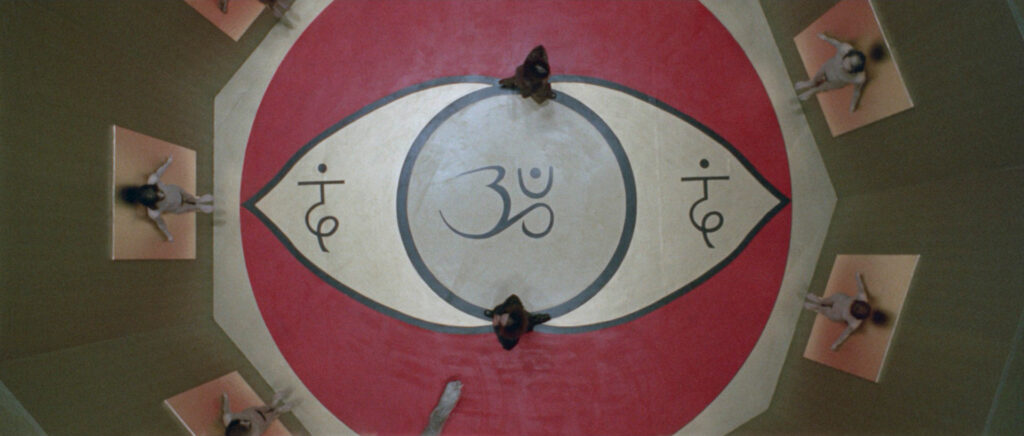
The ending. No spoilers, but the final few minutes of this film are some of the most audacious and self-aware moments in cinema history. Jodorowsky completely breaks the fourth wall in a way that reframes everything you just watched. It’s wild.
The Reception Then vs. Now
When it first came out, the film was controversial to say the least. It screened at the Cannes Film Festival in 1973 and generated a massive buzz — some people were fascinated, others were horrified.
For decades, The Holy Mountain was nearly impossible to see legally. Jodorowsky had a falling out with producer Allen Klein over the rights, and the film was essentially locked away. This made it legendary in underground and cult movie circles — a film so rare and so out-there that it became almost mythological.
In 2007, Jodorowsky finally regained the rights and released a restored version. Since then it’s been properly recognized as a landmark of world cinema.
Today it holds a strong cult status and is widely studied in film schools. It’s not the kind of movie that gets a Rotten Tomatoes consensus because it genuinely defies conventional criticism — you either connect with it or you don’t. If you are fascinated by surrealist European and international cinema that blurs the boundaries of dream logic and dark folklore, explore our coverage of the iconic Czechoslovak classic Valerie and Her Week of Wonders (1970).
Should You Watch It?
Depends. Are you the kind of person who can sit with discomfort, weirdness, and images that don’t immediately “make sense”? Are you open to a film that’s less about plot and more about experience? Do you enjoy having your brain gently turned inside out?
If yes — watch it. Ideally in one sitting, in a dark room, with no distractions. Don’t try to analyze it as you go. Just let it wash over you and think about it after.
If you need a clear story, likeable characters, and a tidy resolution — maybe start with something else and work your way up to this one.
The Holy Mountain isn’t trying to be your friend. It’s trying to wake you up. And somehow, 50 years later, it’s still doing exactly that.
“You are excrement. You can change yourself into gold.” — The Alchemist










1 Response
[…] into any single box.Interested in exploring more surrealist cinema? Be sure to read our article on The Holy Mountain (1973), Alejandro Jodorowsky’s visually astonishing masterpiece filled with symbolism, mysticism, […]