In the Mood for Love (2000) is widely regarded as one of the greatest romantic films ever made. Some movies entertain you. Some movies move you. And then there’s In the Mood for Love — a film that just quietly sits down next to you, doesn’t say much, and somehow leaves you feeling like you’ve been through something deeply personal. It’s one of the most romantic films ever made, and almost nothing actually happens in it. That’s the magic.
The Basics
- Title: In the Mood for Love (花樣年華 / Huāyàng Niánhuá)
- Year: 2000
- Director: Wong Kar-wai
- Producer: Wong Kar-wai
- Screenplay: Wong Kar-wai
- Stars: Tony Leung Chiu-wai, Maggie Cheung Man-yuk
- Cinematography: Christopher Doyle, Mark Lee Ping-bin
- Music: Michael Galasso, Shigeru Umebayashi
- Runtime: 98 minutes
- Genre: Romance / Drama
- Country: Hong Kong
- Studio: Block 2 Pictures / Jet Tone Production
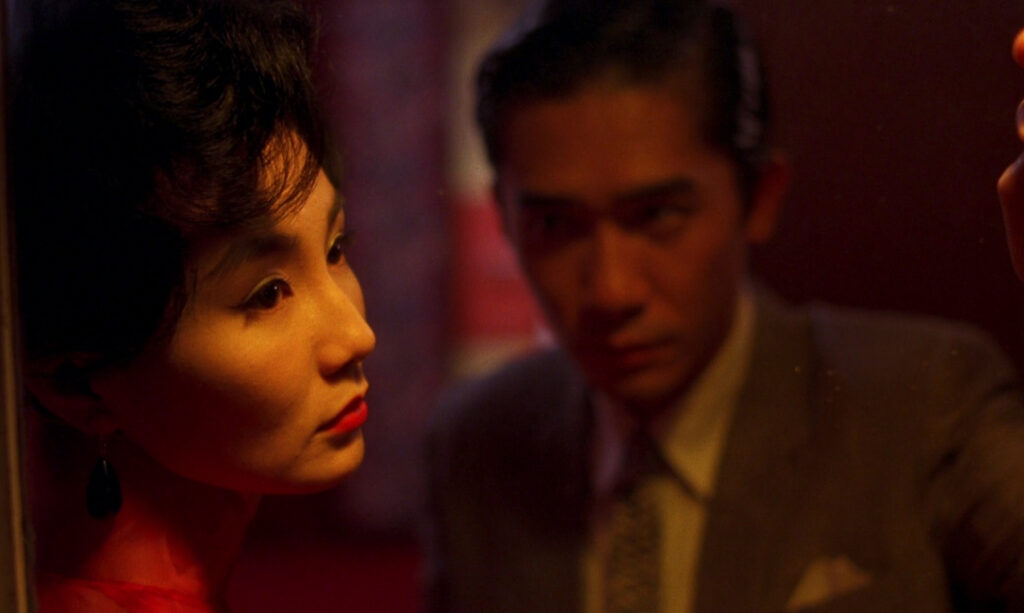
So What’s It About?
Hong Kong, 1962. Two neighbors move into adjacent apartments on the same day. Chow Mo-wan (Tony Leung) is a journalist. Su Li-zhen (Maggie Cheung) is a secretary. Both of them are married — but their spouses are almost never around. Suspicious, right?
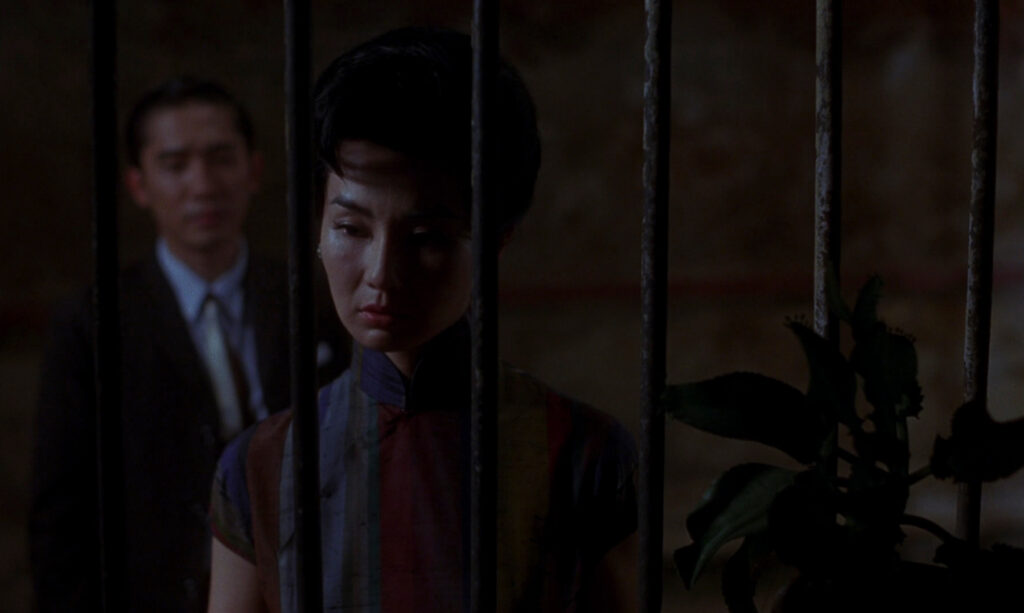
They slowly begin to realize their partners might be having an affair with each other. So they start spending time together, partly to figure out what’s going on, partly out of loneliness, and partly because — well, they’re drawn to each other in that quiet, painful way that’s hard to explain but easy to feel.
And that’s basically it. The film is about what happens in the space between two people who have feelings for each other but choose, again and again, not to act on them. It’s about longing. It’s about restraint. It’s about what goes unsaid.
Does anything actually happen between them? Watch it and see. But don’t expect explosions.
Why This Film Is Something Else Entirely
The slow motion will ruin you. Wong Kar-wai shoots Maggie Cheung walking down a narrow staircase in slow motion, in a qipao dress, to the sound of Shigeru Umebayashi’s Yumeji’s Theme — a melancholic waltz that loops through the film — and it’s genuinely one of the most beautiful things ever put on screen. That sequence alone has inspired countless filmmakers, photographers, and fashion designers. It’s just that good.
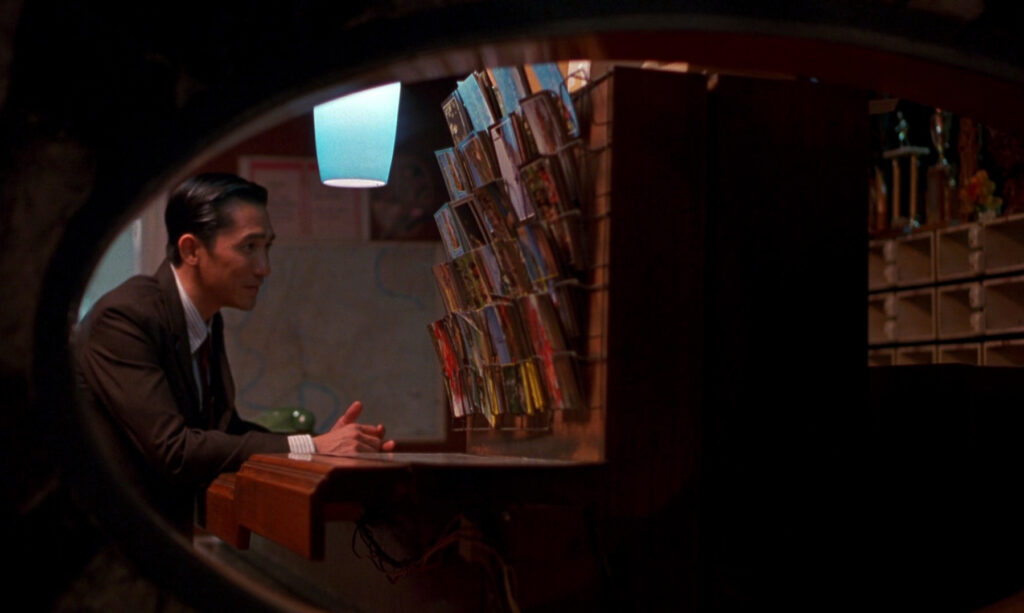
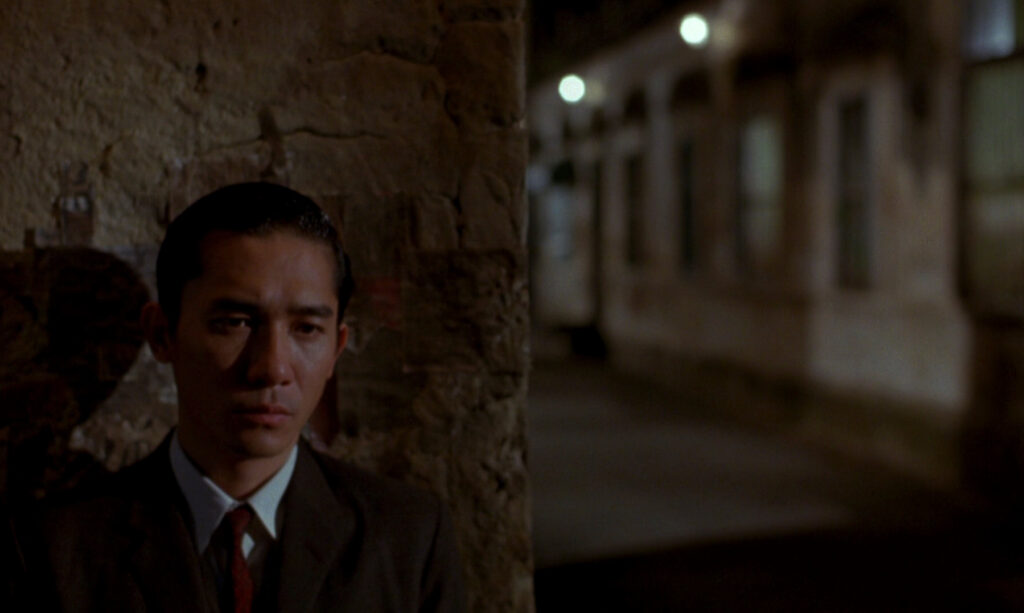
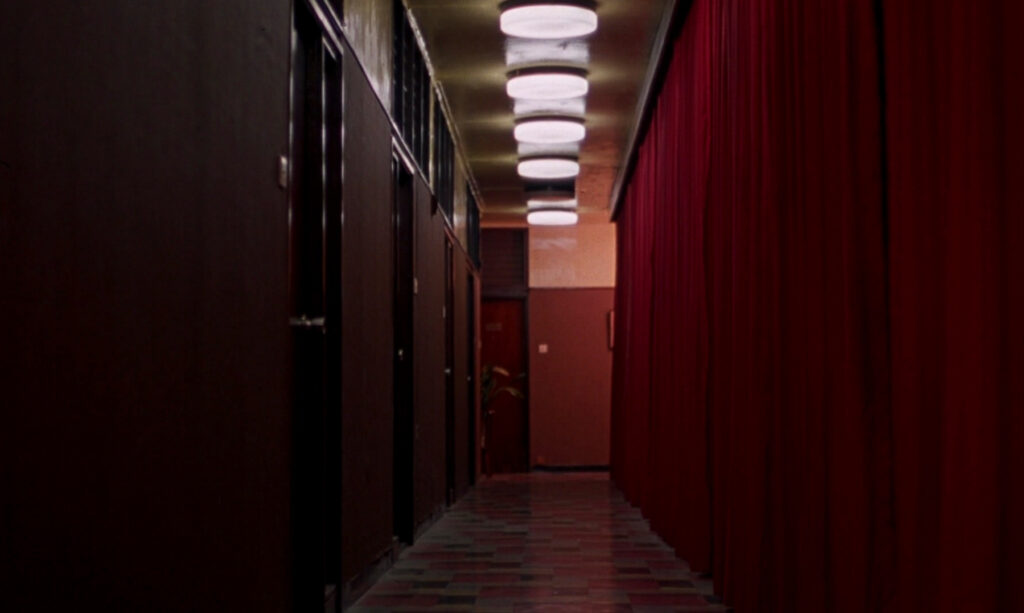
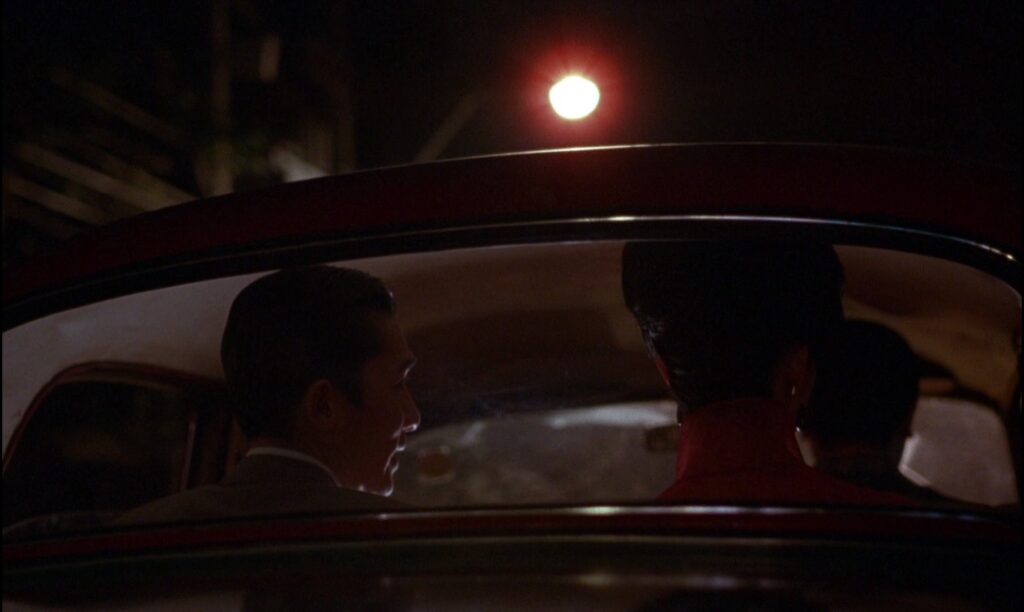
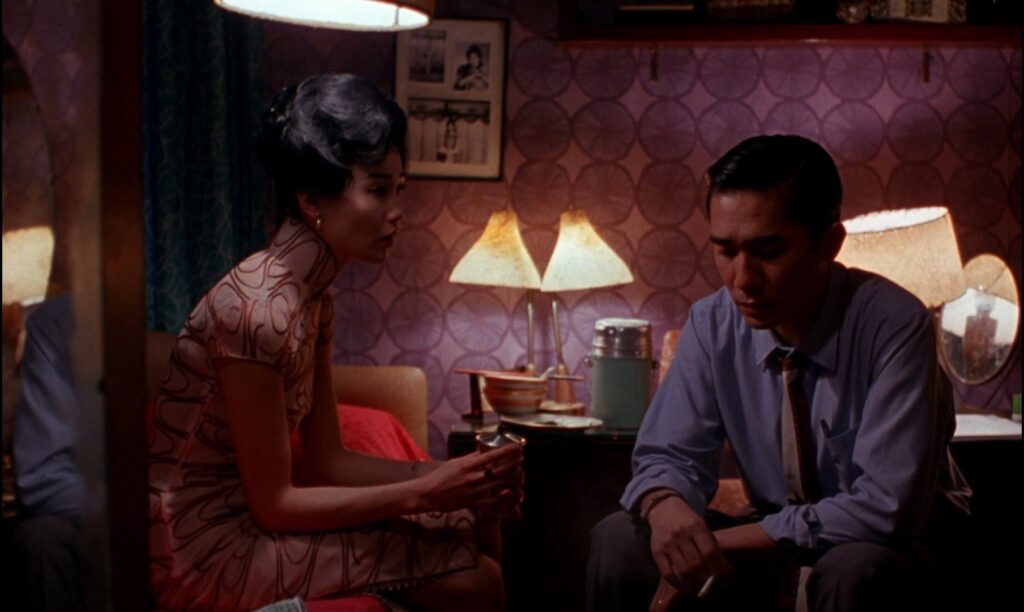
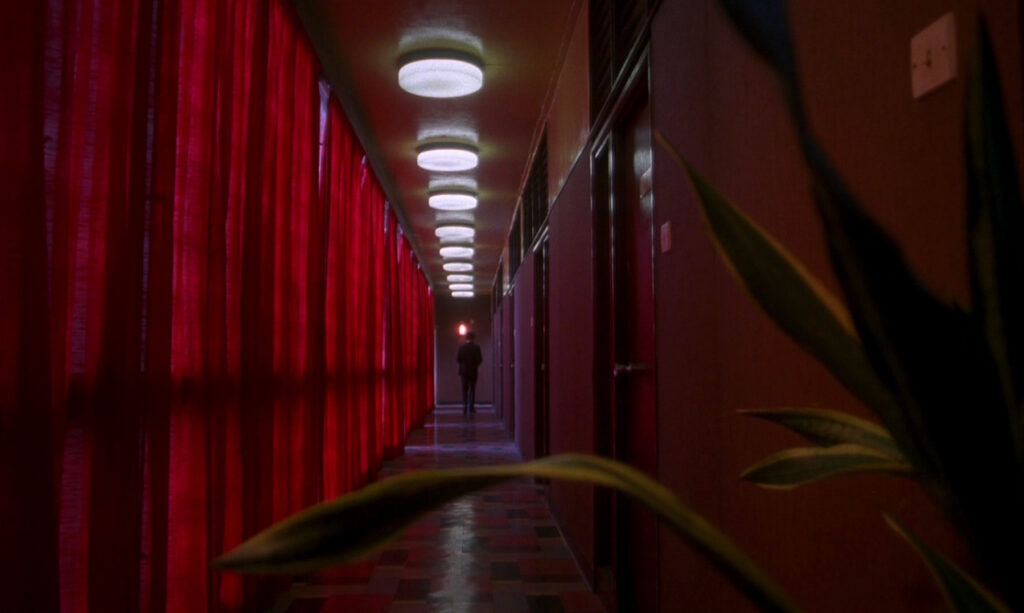
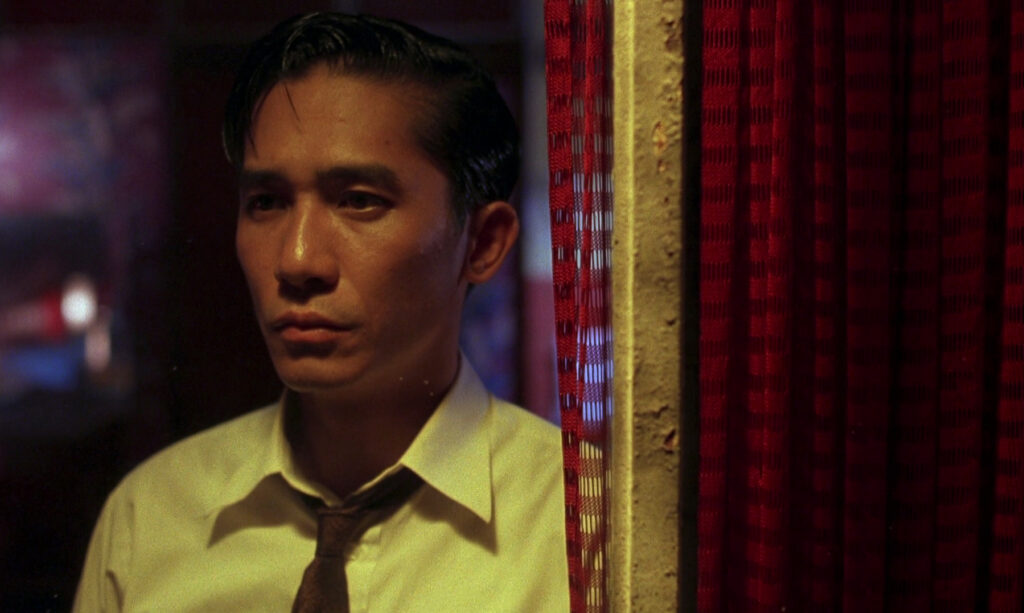
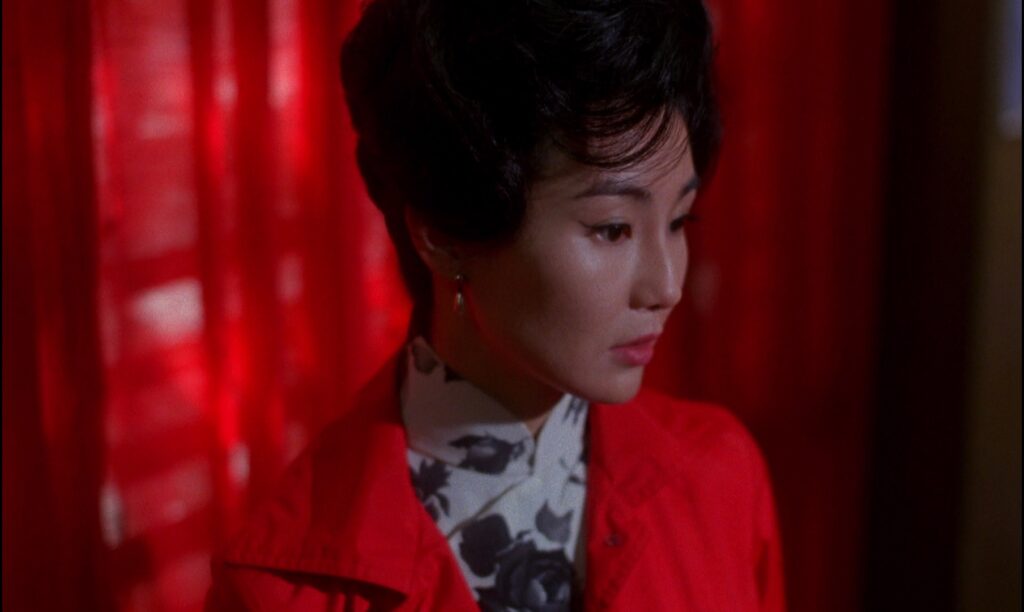
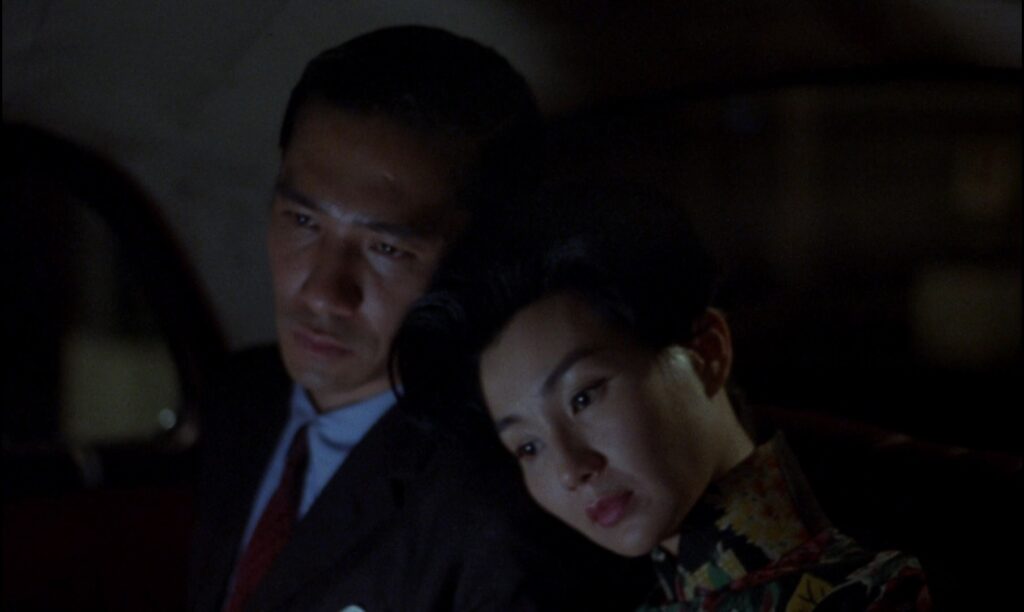
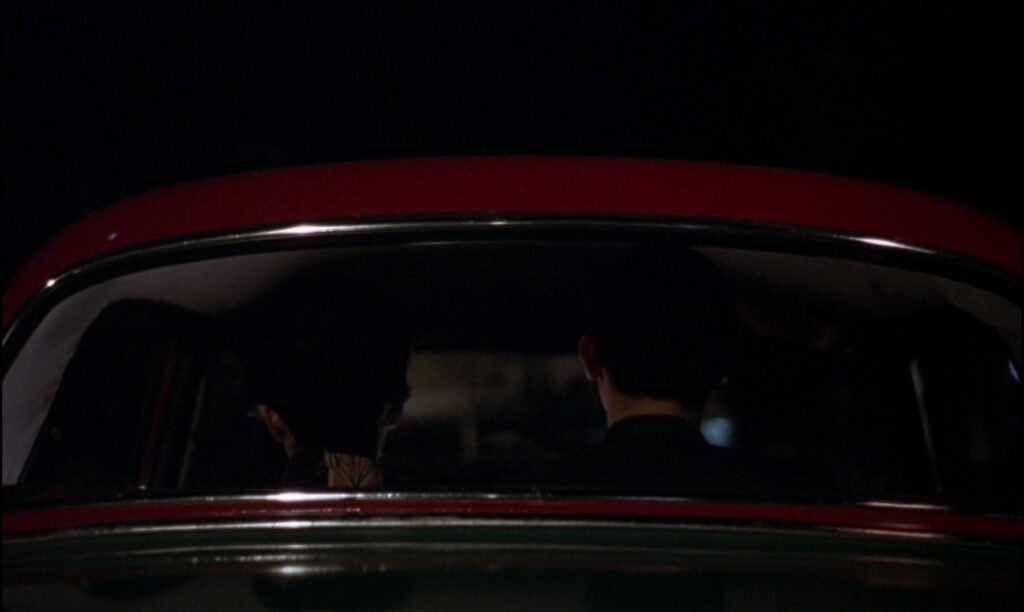
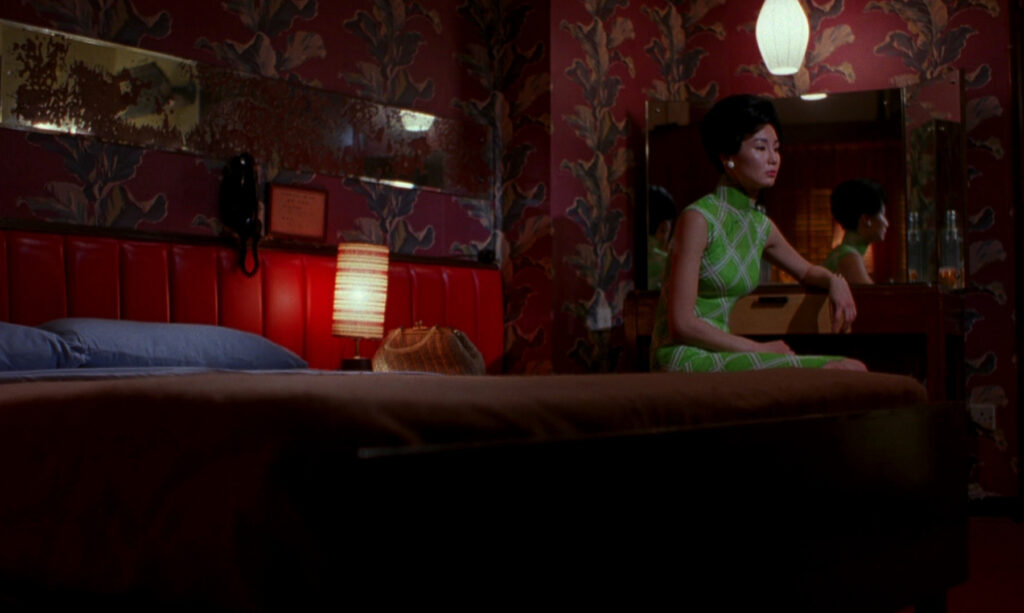
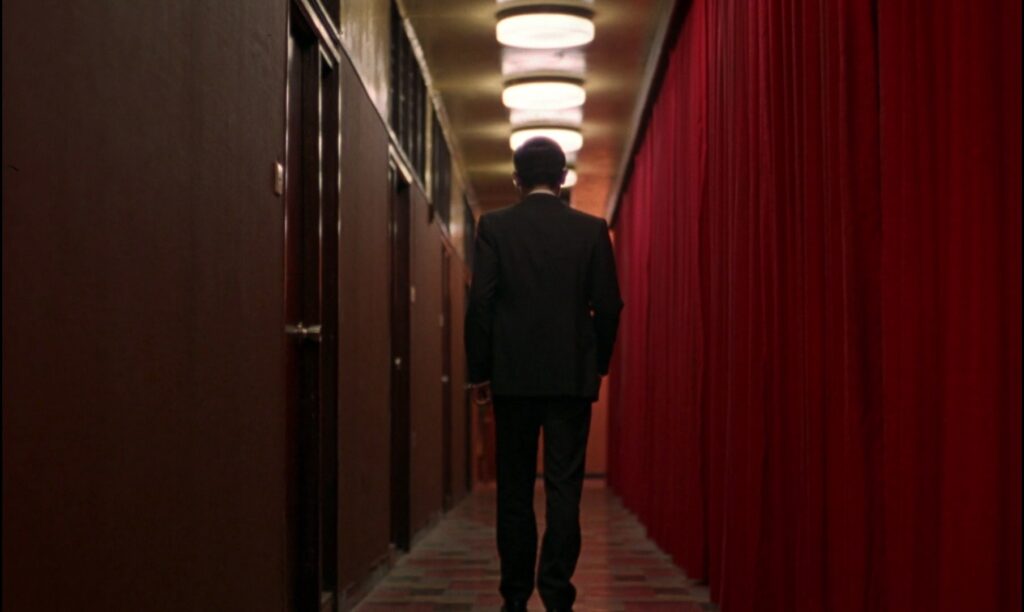
Christopher Doyle’s cinematography is insane. Every frame looks like a painting. The tight alleyways, the warm amber light, the reflections in mirrors and wet streets — the visual language of this film is doing 80% of the emotional heavy lifting. Doyle (along with Mark Lee Ping-bin) shot this film in a way that makes you feel claustrophobic and dreamy at the same time, which is exactly what falling for someone you shouldn’t feels like.
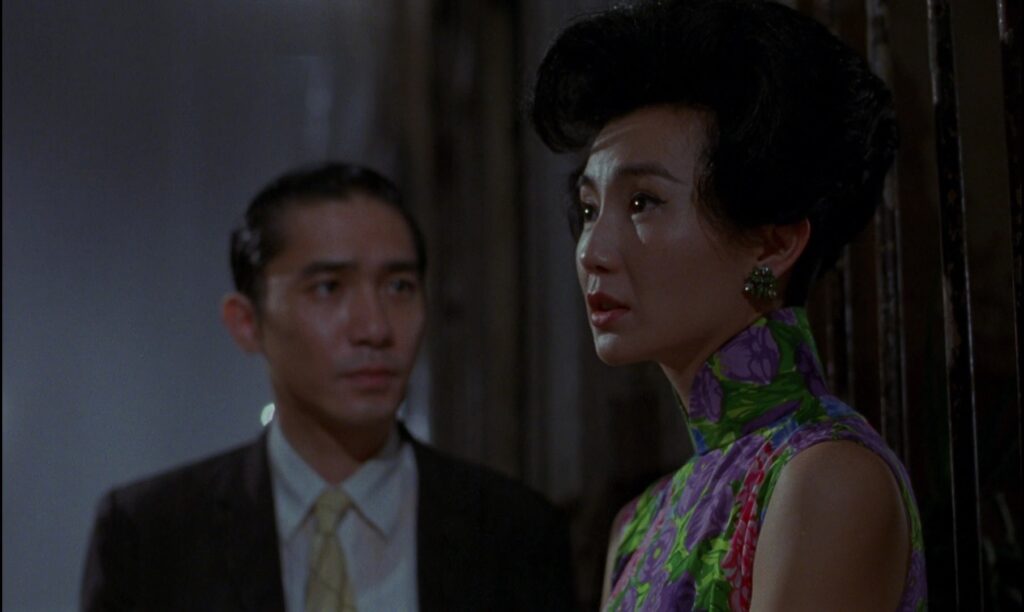
Tony Leung and Maggie Cheung barely touch. And somehow that makes everything more intense. The restraint in their performances is extraordinary. Tony Leung won Best Actor at Cannes for this role — and he does it almost entirely with his eyes and the way he holds his body. Maggie Cheung is magnetic in a completely different way: poised, elegant, and quietly devastating.
Wong Kar-wai shot this film with no script. He had an outline and basically improvised the whole thing over 15 months of production in Hong Kong, Cambodia, and Bangkok. That chaotic, instinct-driven process somehow produced one of the most meticulously beautiful films ever made. Go figure.
The music loops deliberately. The same pieces play over and over throughout the film — Yumeji’s Theme, Nat King Cole singing in Spanish, traditional Chinese opera. It’s not repetitive in an annoying way. It’s more like the way a memory keeps returning. You keep revisiting the same feelings, the same moments, because you can’t let go of them. Just like the characters.
Critical Reception and Awards
In the Mood for Love premiered at the Cannes Film Festival in 2000, where it won the Best Actor prize for Tony Leung and the Technical Grand Prize for cinematography. It didn’t win the Palme d’Or (it went to Dancer in the Dark that year), which remains one of the more controversial Cannes decisions in recent memory — a lot of people genuinely think this should have taken the top prize.
Critically, the response was immediate and overwhelming. It currently holds a 98% on Rotten Tomatoes and sits at #1 on the BBC’s 2016 poll of the Greatest Films of the 21st Century — voted by 177 film critics from around the world. Not top ten. Not top five. Number one.
It also appears regularly on Sight & Sound’s polls of the greatest films ever made, which is basically the most prestigious critical ranking in cinema.
The Legacy
In the Mood for Love essentially confirmed Wong Kar-wai as one of the greatest filmmakers alive. But its influence goes way beyond that. The film has seeped into fashion, photography, music videos, and visual art in a way that very few movies manage. Those qipao dresses Maggie Cheung wears — she has over 20 of them throughout the film, each one a different pattern and color — became iconic. The slow-motion cinematography style has been referenced and imitated endlessly.
It’s also part of a loose trilogy alongside Days of Being Wild (1990) and 2046 (2004) — though each film works completely on its own.
The film is a time capsule of a Hong Kong that no longer exists, shot with a nostalgia for the past that feels almost physical. Wong Kar-wai grew up in Shanghai and moved to Hong Kong as a child, and there’s something deeply personal in how he captures that world — the cramped apartments, the rice noodles in takeaway containers, the humid nights, the neighbors who know too much about your business.
Should You Watch It?
Yes — but go in knowing what you’re getting into. This is not a movie where things happen in the traditional sense. There are no big dramatic confrontations, no sweeping declarations of love, no third-act twists. If you need plot momentum to stay engaged, this might test your patience.
But if you’re in the mood (pun intended) for something that works on pure feeling — something that gets under your skin through image and sound and silence more than dialogue and action — this film will absolutely destroy you in the best possible way.
Watch it on the biggest, nicest screen you have. Put on headphones. Don’t look at your phone. Let it breathe.
And clear your schedule for a bit afterward, because you’ll want to just sit with it.
“He remembers those vanished years. As though looking through a dusty window pane, the past is something he could see, but not touch. And everything he sees is blurred and indistinct.”
— Opening title card, In the Mood for Love