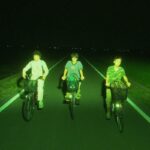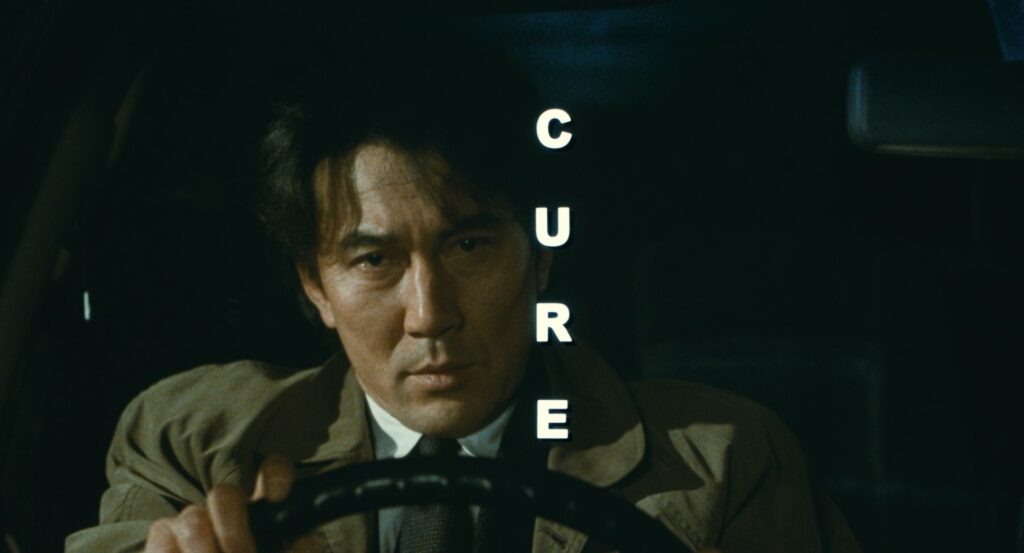
If you think horror movies need jump scares, gore, or a guy in a mask to actually scare you — Cure (1997) is about to prove you very, very wrong. This is a Japanese psychological thriller that gets under your skin in the slowest, creepiest way possible, and by the end you’ll feel like something has shifted in your own head too. It’s that kind of movie.
The Basics
- Title: Cure (キュア)
- Year: 1997
- Director: Kiyoshi Kurosawa
- Producer: Tsutomu Tsuchikawa, Atsuyuki Shimoda
- Screenplay: Kiyoshi Kurosawa
- Stars: Kōji Yakusho, Masato Hagiwara, Tsuyoshi Ujiki, Anna Nakagawa
- Cinematography: Tokushō Kikumura
- Music: Gary Ashiya
- Runtime: 111 minutes
- Genre: Psychological Horror / Thriller
- Country: Japan
- Studio: Daiei Film
Source: IMDB
What Is Cure (1997) About?
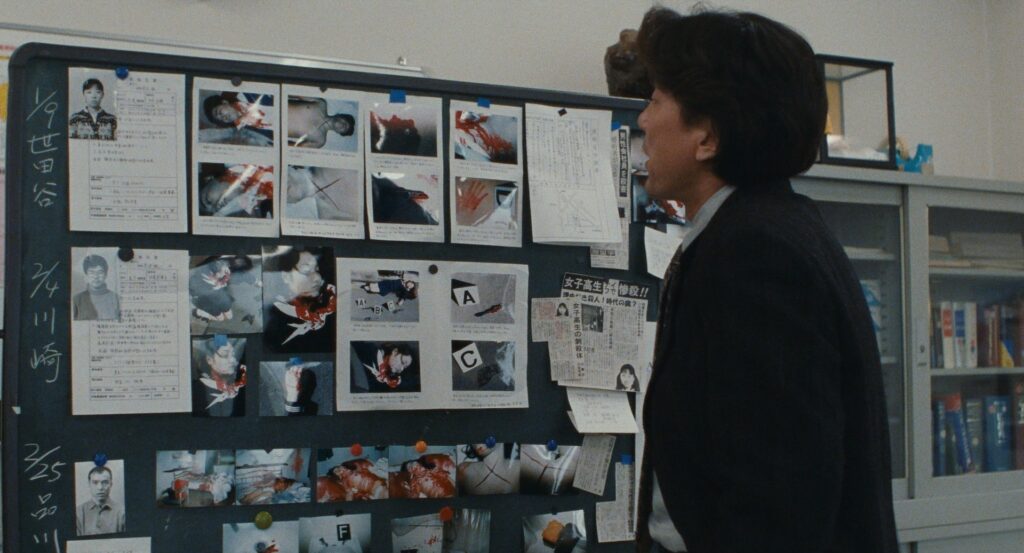
Detective Takabe (Kōji Yakusho) is investigating a string of bizarre, seemingly unconnected murders happening across Tokyo. Different killers, different victims, different locations — but every single murder has one identical, deeply weird detail: an “X” carved into the victim’s throat.
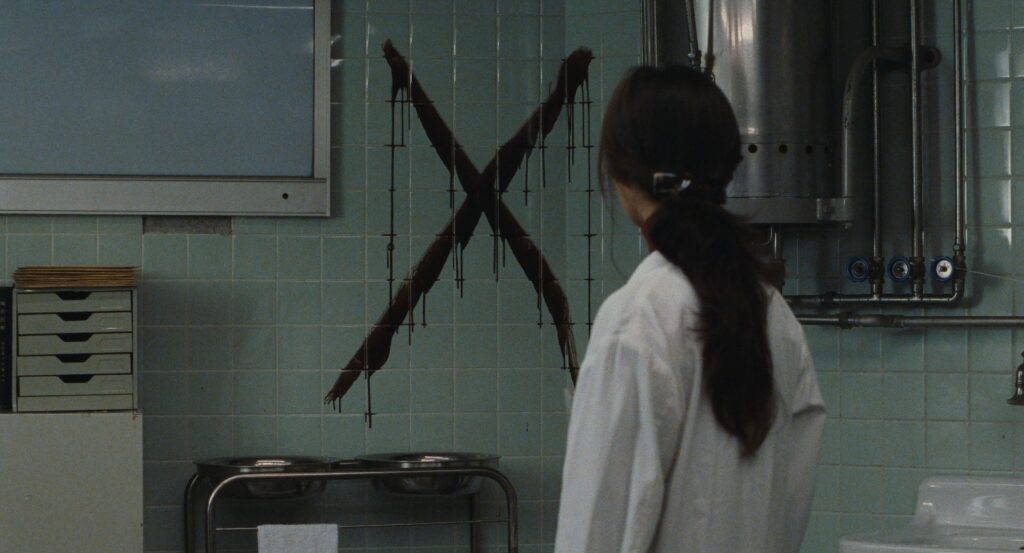
The killers themselves have no memory of why they did it. They’re caught almost immediately, confused and disoriented, with zero motive and no real understanding of what just happened.
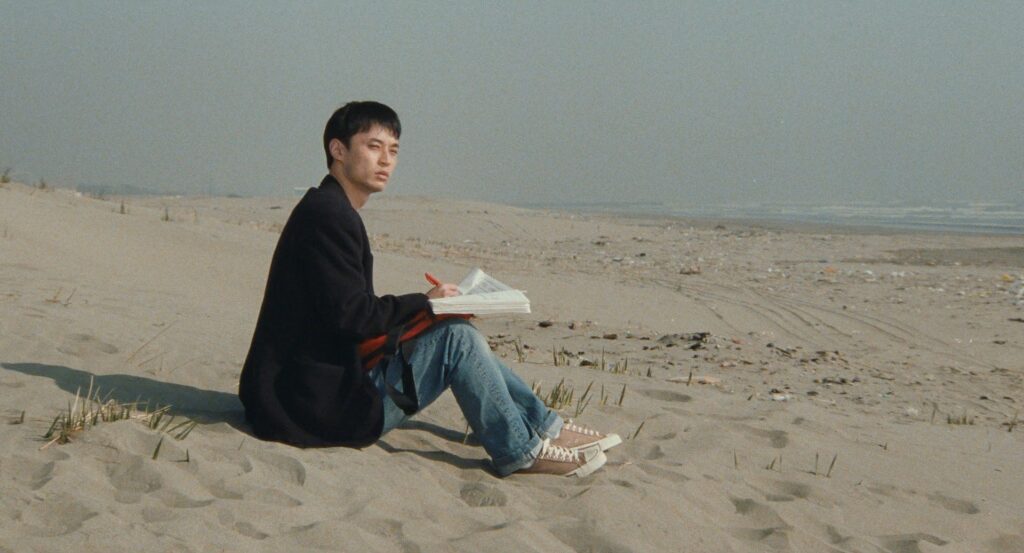
The connection turns out to be a man named Mamiya (Masato Hagiwara) — a drifting, amnesiac stranger who seems to wander from place to place, encountering ordinary people and asking them simple, probing questions. He doesn’t force anyone to kill. He doesn’t even seem to be doing anything at all, really. But after spending time with him, completely normal people suddenly murder someone close to them and carve that same symbol into their neck.
So what is Mamiya actually doing? Is it hypnosis? Suggestion? Something more metaphysical? And as Takabe gets closer to him, the film starts asking a much scarier question: what’s actually underneath the thin layer of self-control that keeps any of us from doing something terrible?
Why Cure (1997) Gets Under Your Skin
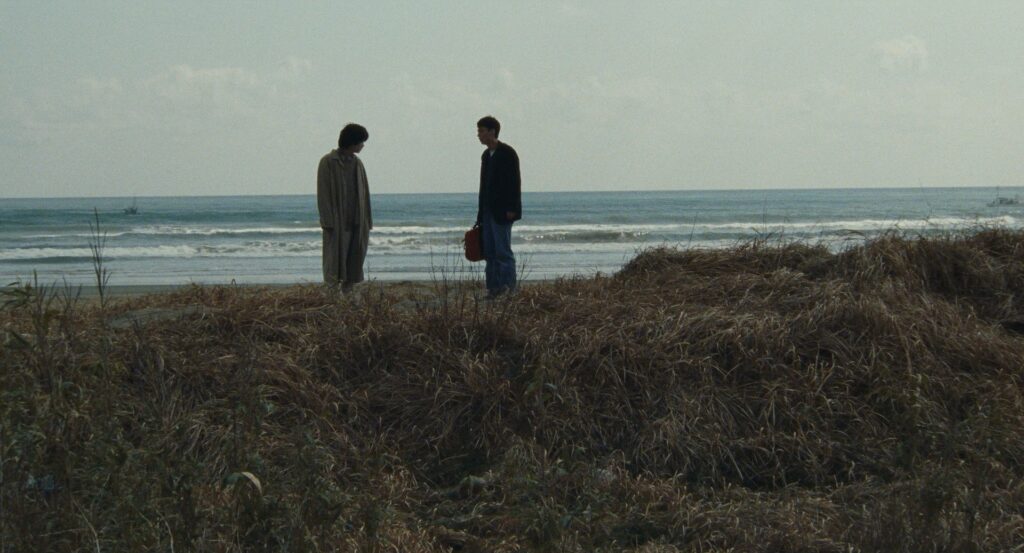
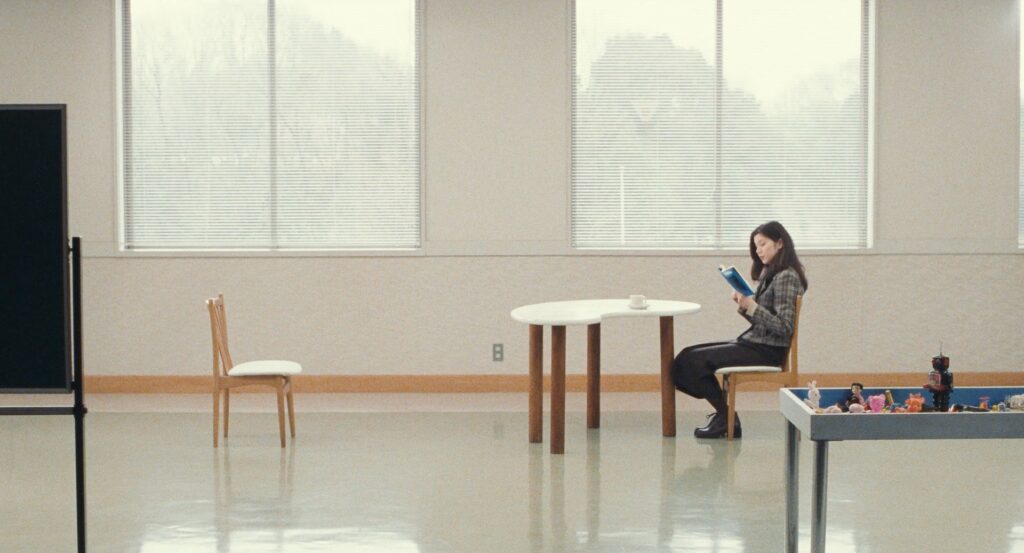
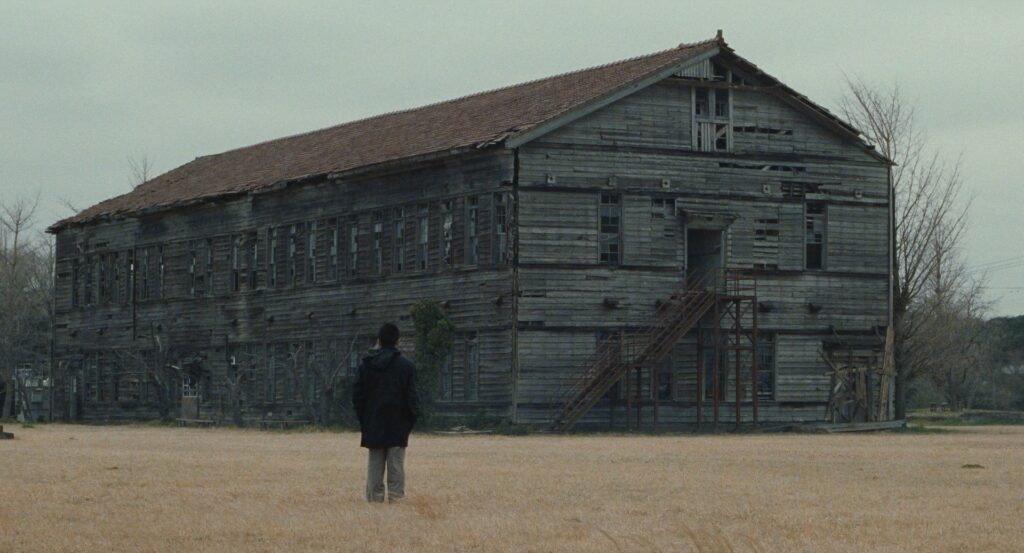
It’s horror through suggestion, not shock. Cure almost never shows you anything explicitly violent. Most of the murders happen off-screen or are implied. Instead, the horror comes from atmosphere — long, still shots, eerie silences, characters speaking in flat, unsettling tones, empty rooms that feel like they’re holding their breath. Kiyoshi Kurosawa understood that dread is way scarier than gore, and this film is basically a masterclass in that idea.
Mamiya is one of the creepiest characters in film history — and he barely does anything. He doesn’t yell. He doesn’t threaten. He just asks questions, repeats himself, seems genuinely confused about who he even is, and somehow that’s terrifying. Masato Hagiwara plays him with this blank, hollow quality that makes every scene he’s in feel like the air’s been sucked out of the room. You’re never quite sure if he’s a predator, a victim, or something else entirely — maybe not even fully human in the way the story wants us to think about humanity.
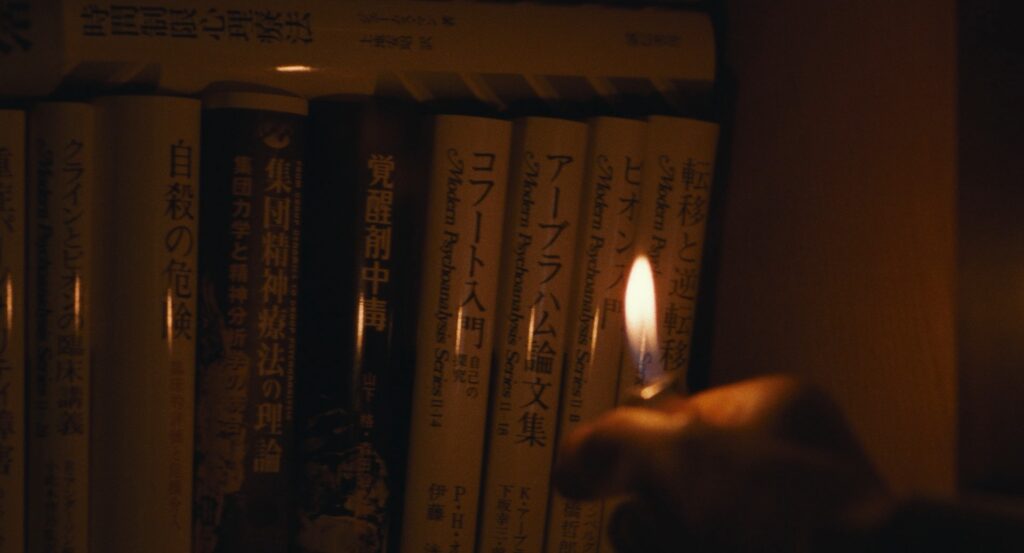
The hypnosis angle is genuinely unsettling because it feels almost plausible. Mamiya uses a lighter, repeats simple questions (“Who are you?”), and lets silence and suggestion do the rest. There’s no special effects trickery here — it’s all about tone, repetition, and performance, which somehow makes it feel more disturbing, like this is a real psychological technique rather than movie magic.
Kōji Yakusho’s performance is the emotional backbone of the film. As Takabe gets deeper into the investigation, you watch this composed, professional detective start to unravel — his marriage is falling apart, his patience is wearing thin, and the film slowly suggests that maybe Mamiya isn’t creating something new in people. Maybe he’s just removing the lid from something that was already there.
The sound design is doing serious work. Long stretches of near-silence, punctuated by mundane sounds — a faucet running, a train passing — create this constant, low hum of unease. It’s the kind of film where the absence of music is more frightening than a score would be.
The Reception
Cure premiered in 1997 and was instantly recognized within Japanese cinema as a major work from Kiyoshi Kurosawa, helping establish him as one of the most important voices in Japanese horror and psychological thriller filmmaking — alongside contemporaries like Hideo Nakata (Ringu) and Takashi Shimizu (Ju-On), though Kurosawa’s style is far more restrained and cerebral than the supernatural scares those films are known for.
The film built a strong cult and critical following over the years, particularly as Western audiences and critics discovered it retrospectively through film festivals, retrospectives, and the gradual international recognition of Japanese horror in the late ’90s and early 2000s. It’s often cited by critics and filmmakers as one of the best and most influential Japanese thrillers of its era, and it currently holds strong acclaim among cinephile and horror communities, with a high critical rating among those who’ve sought it out, maintaining a strong reputation on platforms such as Rotten Tomatoes with 94% certified fresh score.
The Legacy
Cure is widely considered one of Kiyoshi Kurosawa’s defining works and a major influence on the broader landscape of psychological horror. While J-horror in the West became associated mostly with ghosts and curses (thanks to Ringu and The Grudge dominating that conversation), Cure represents a different, quieter strain of Japanese horror — one rooted in social alienation, identity, and the fragile boundaries of the self, rather than supernatural threats.
Kurosawa went on to direct other acclaimed films like Pulse (2001) and Tokyo Sonata (2008), but Cure remains the film that put him on the map internationally and is frequently pointed to as a key entry point into his filmography.
It’s also frequently discussed alongside other “hypnosis horror” and “social contagion” films, and its DNA can be felt in later psychological thrillers that explore the idea of ordinary people pushed to violence by something just slightly outside their understanding.
Should You Watch It?
If you’re after fast-paced jump scares, this isn’t your movie. Cure is slow, deliberate, and asks you to sit in discomfort for long stretches without the release of a traditional scare. But if you’re drawn to horror that lingers — that makes you quietly anxious for days, that raises questions about identity and violence you can’t easily shake — this is essential viewing.
Watch it at night, alone if you can handle it, and don’t expect clean answers by the end. Cure isn’t interested in tying things up neatly. It’s interested in making you wonder what’s sitting quietly underneath your own composure.
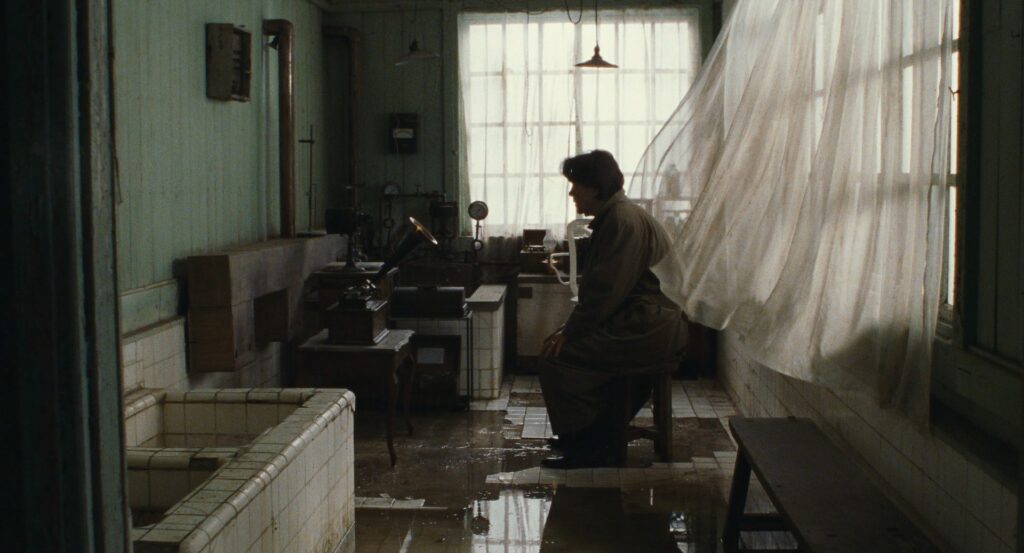
“Who are you?”
— Mamiya, asked again and again, Cure