
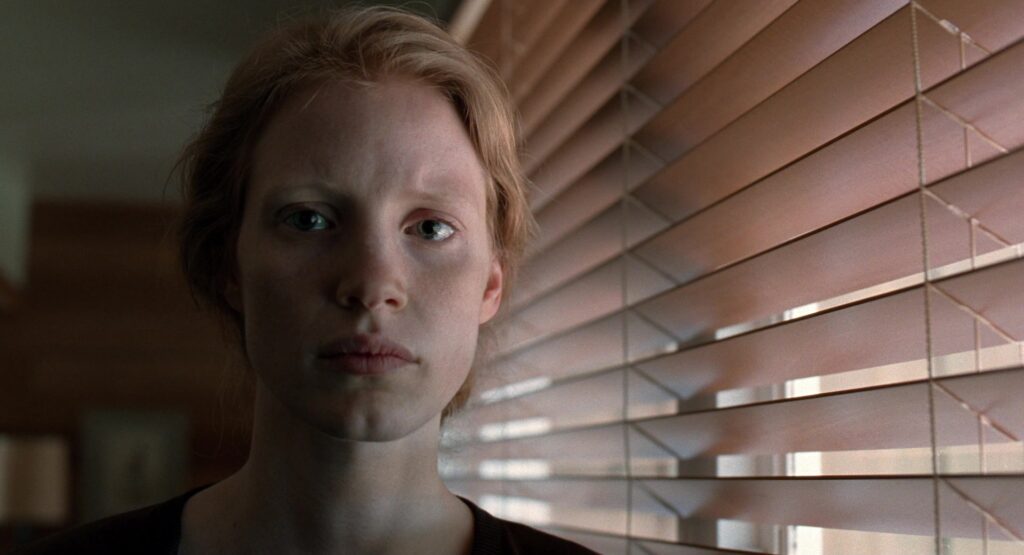
Okay so. The Tree of Life (2011) is one of those movies where, if someone asks you “what’s it about?”, you kind of just stare into the distance for a second before answering. Because technically it’s about a family in 1950s Texas. But also it’s about the creation of the universe. And dinosaurs. And grace versus nature. And grief. And God, maybe. It’s a lot. But stick with me, because this might be one of the most genuinely awe-inspiring films you’ll ever watch.
The Basics
- Title: The Tree of Life
- Year: 2011
- Director: Terrence Malick
- Producer: Sarah Green, Bill Pohlad, Dede Gardner, Grant Hill
- Screenplay: Terrence Malick
- Stars: Brad Pitt, Jessica Chastain, Sean Penn, Hunter McCracken
- Cinematography: Emmanuel Lubezki
- Music: Alexandre Desplat
- Runtime: 139 minutes
- Genre: Drama / Experimental / Philosophical
- Studio: River Road Entertainment / Plan B Entertainment / Cottonwood Pictures
What Is The Tree of Life (2011) About?
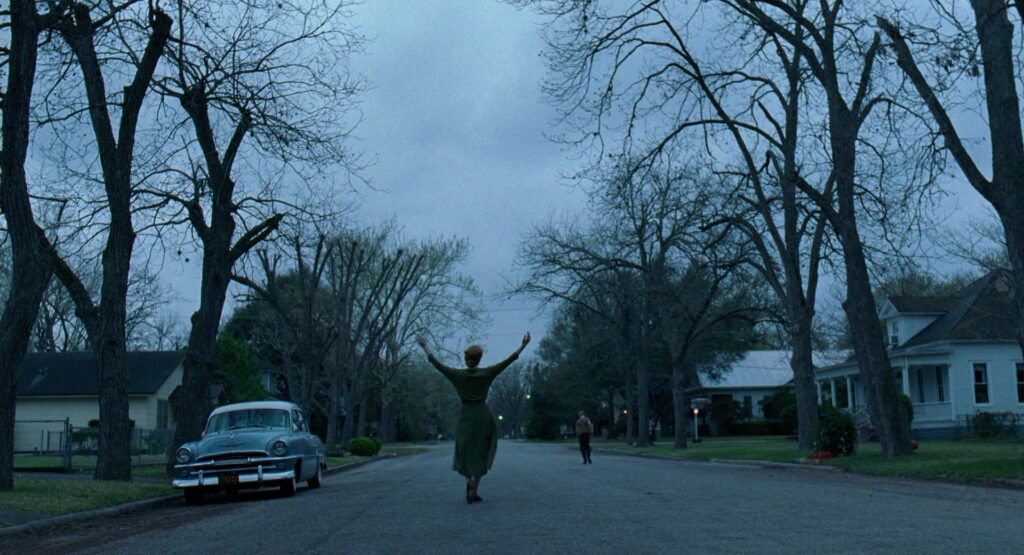
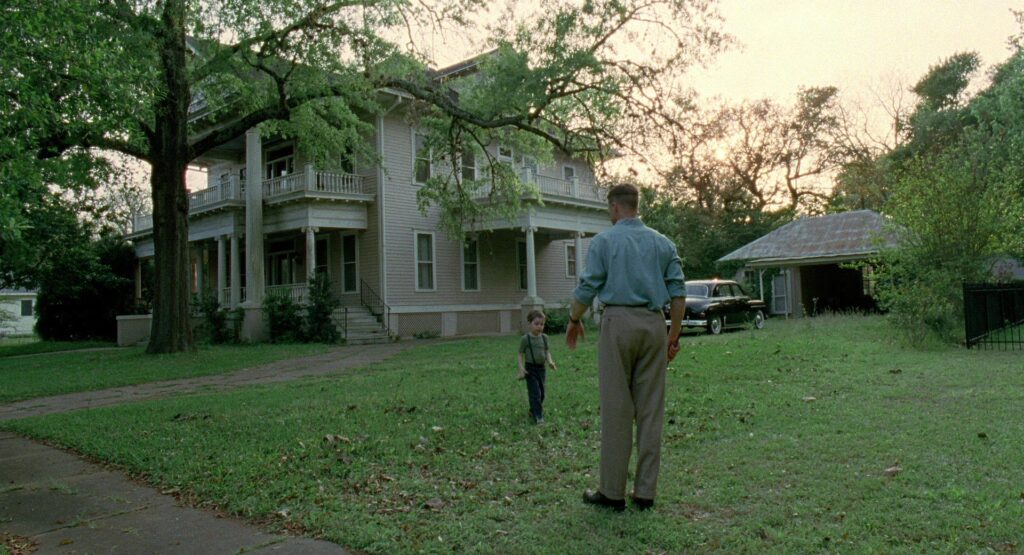
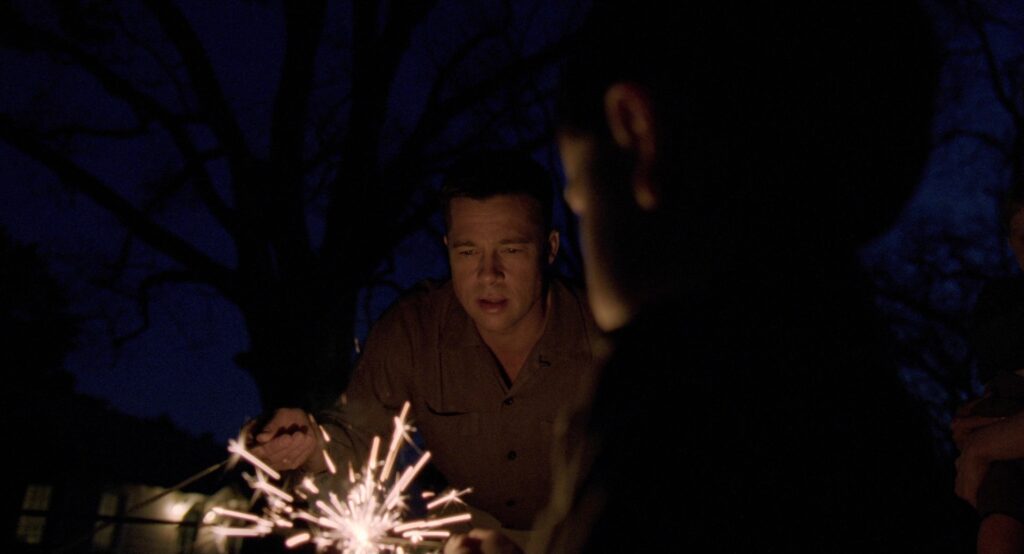
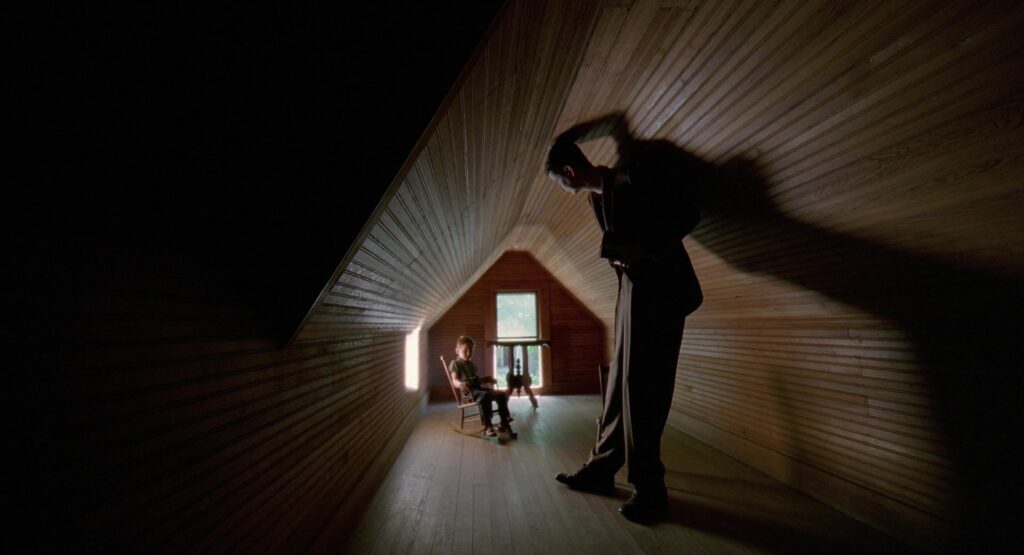
At its core, the film follows the O’Brien family in 1950s Waco, Texas. Mr. O’Brien (Brad Pitt) is a strict, demanding father who believes in toughness and discipline — the “way of nature,” as the film calls it. Mrs. O’Brien (Jessica Chastain) represents the opposite — gentleness, forgiveness, and unconditional love, what the film calls the “way of grace.” Their three sons grow up caught between these two forces, especially the eldest, Jack.
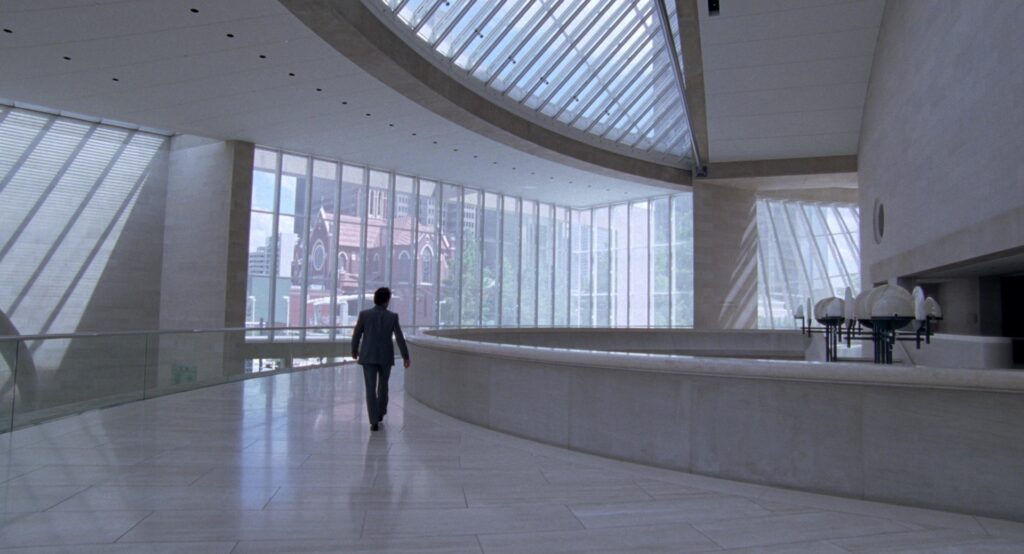
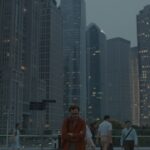
We also see adult Jack (Sean Penn) decades later, working in some glass-and-steel corporate job, clearly still haunted by his childhood and by the death of one of his brothers — something the film tells us early on but never fully explains.
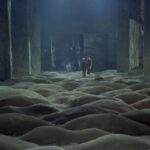
And then — and this is the part that throws everyone the first time — the film takes a 20-minute detour into the literal creation of the universe. Galaxies forming. Volcanic eruptions. Single-celled organisms. Dinosaurs. The beginning of life on Earth. All of it shown in stunning, wordless, almost documentary-style visuals, scored with classical music, before returning to the O’Brien family story.
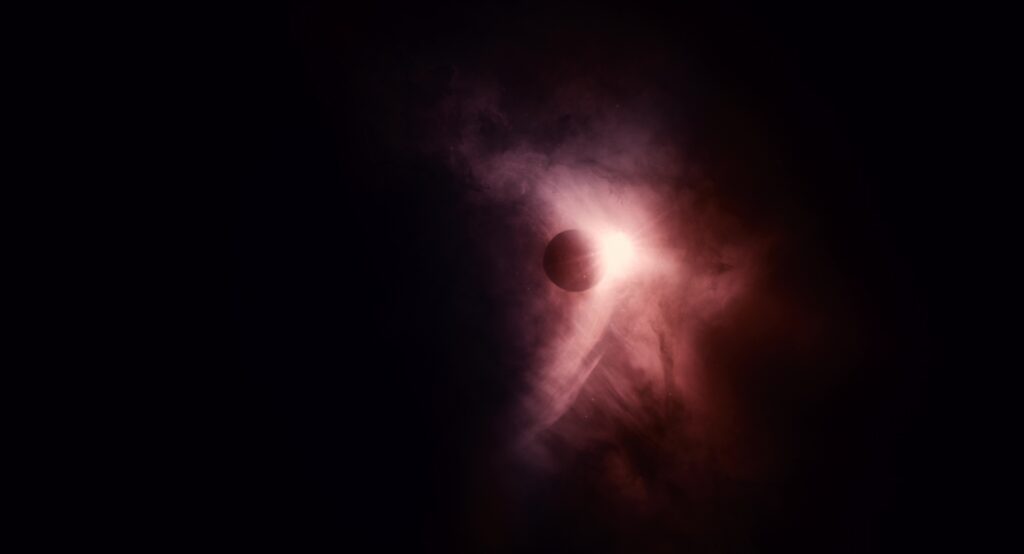
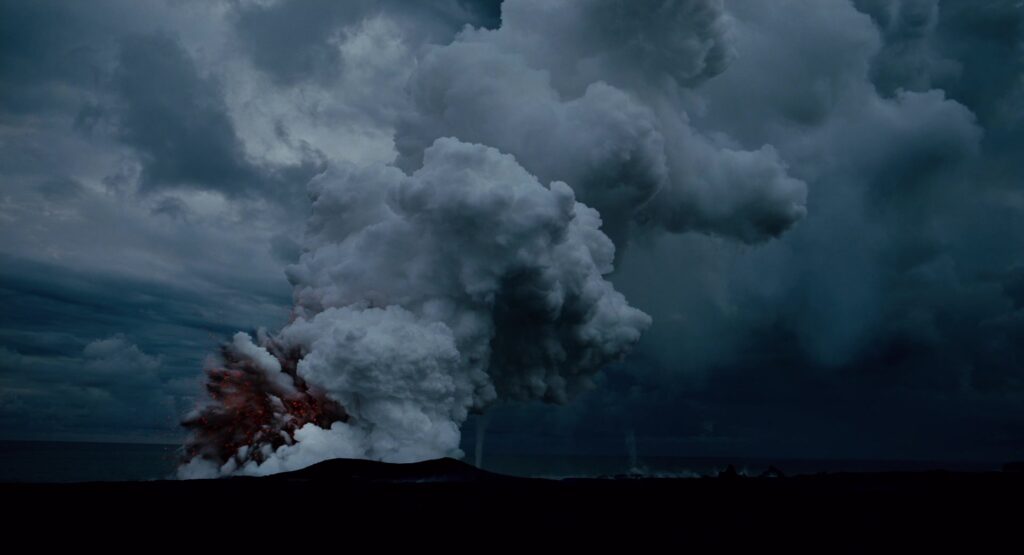
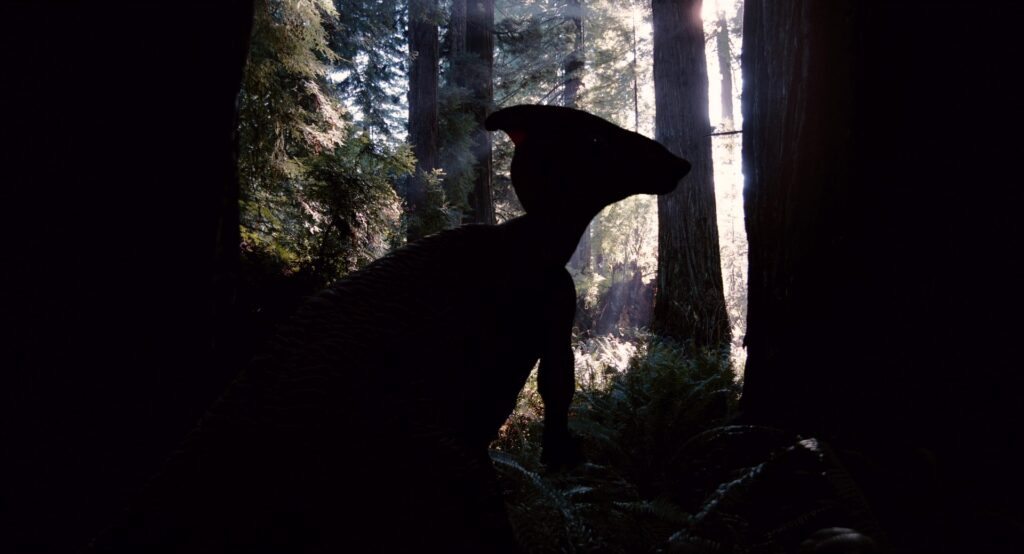
Why? Because Malick isn’t just telling you a family story. He’s asking you to consider that one family’s grief, love, and quiet domestic moments are just as cosmically significant as the birth of stars. It’s an enormous, audacious swing. And somehow, it mostly works.
Why The Tree of Life (2011) Is Such an Experience
It doesn’t really have a traditional plot, and that’s the point. Malick is famous for abandoning conventional storytelling — voiceover whispers, fragmented memories, scenes that drift rather than connect logically. This isn’t a film you “follow.” It’s a film you feel your way through, almost like sifting through someone’s actual memories, which are never neat and linear anyway. If you’re drawn to films that feel more like memories than traditional stories, you may also enjoy our look at Paris, Texas (1984).
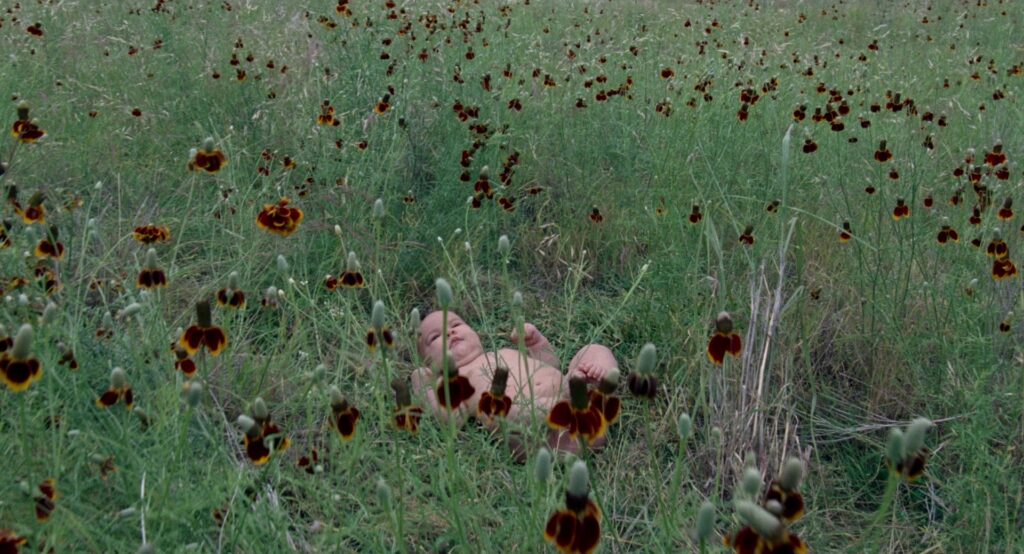
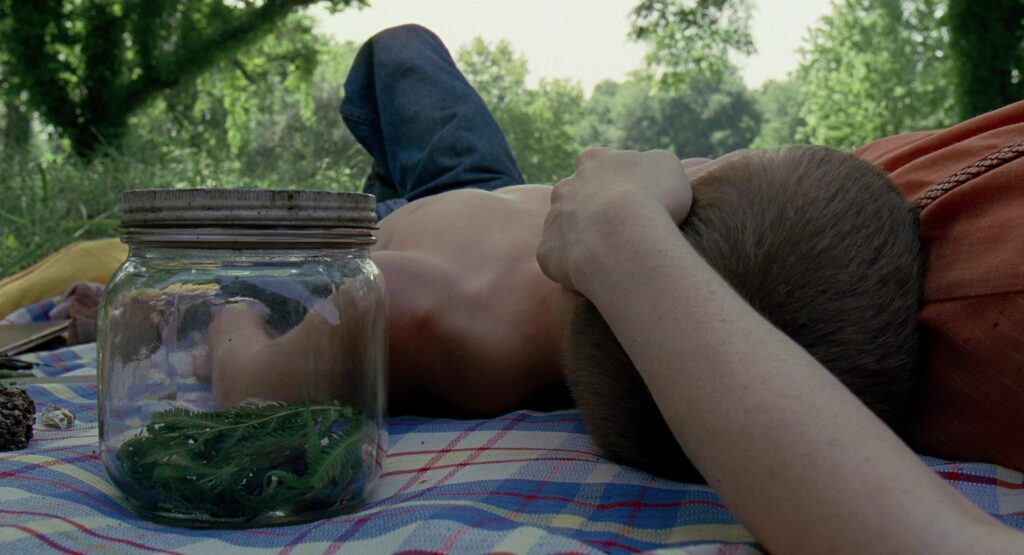
Emmanuel Lubezki’s cinematography is some of the best ever filmed. Lubezki (who later won three consecutive Oscars for Gravity, Birdman, and The Revenant) shoots this film with constantly moving, intimate, handheld camerawork that makes you feel like you’re physically inside these childhood memories — running through sprinklers, climbing trees, sitting at the dinner table during tense family moments. It’s intimate and cosmic at the same time, somehow.
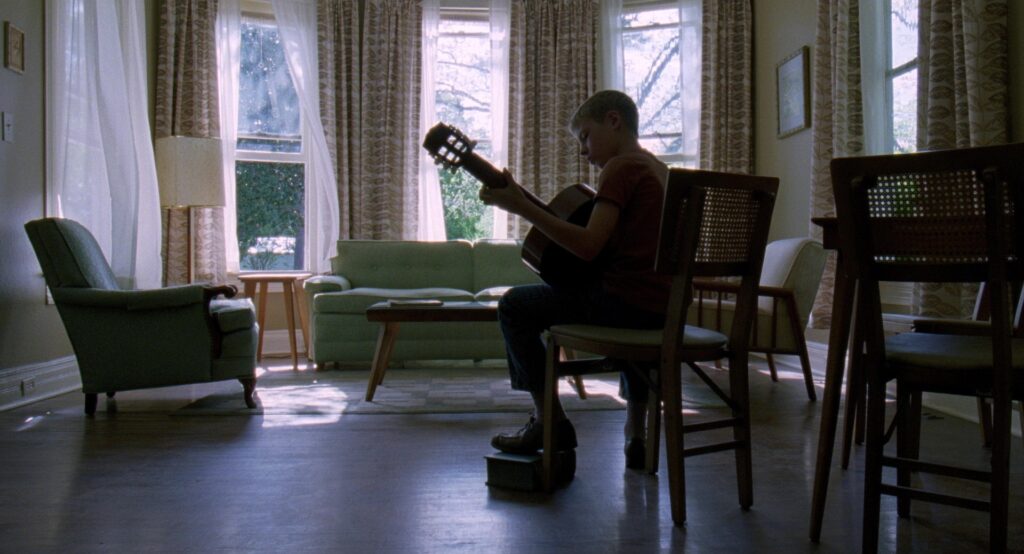
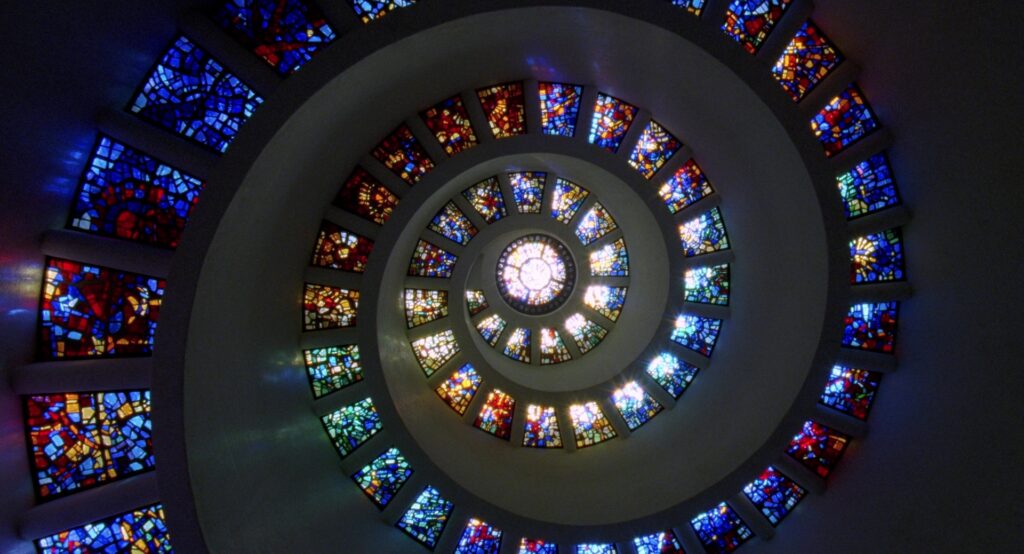
The “Creation” sequence is unlike anything else in mainstream cinema. Malick actually brought in legendary visual effects artist Douglas Trumbull — the guy behind the visuals in 2001: A Space Odyssey — to help create the universe sequence using a mix of practical effects, chemical reactions, and natural phenomena rather than purely CGI. The result feels organic and tactile in a way computer-generated space scenes usually don’t.
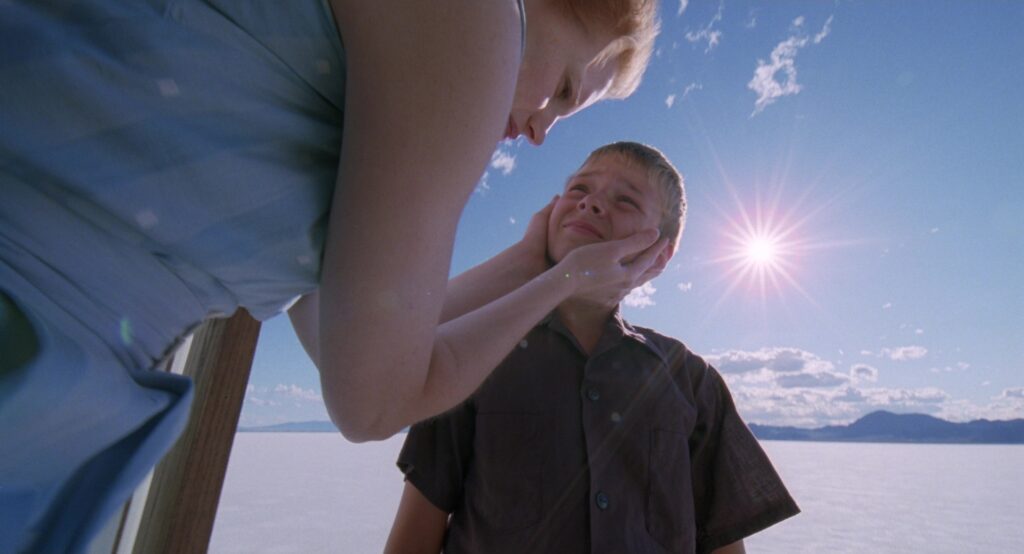
Brad Pitt and Jessica Chastain are doing career-best work. Pitt plays against type here — Mr. O’Brien is rigid, frustrated, and sometimes frightening, a man crushed by his own unmet ambitions who takes it out on his family without fully realizing it. Chastain, in what was essentially her breakout year (she had several major films release in 2011), is luminous and ethereal, almost angelic, representing pure grace.
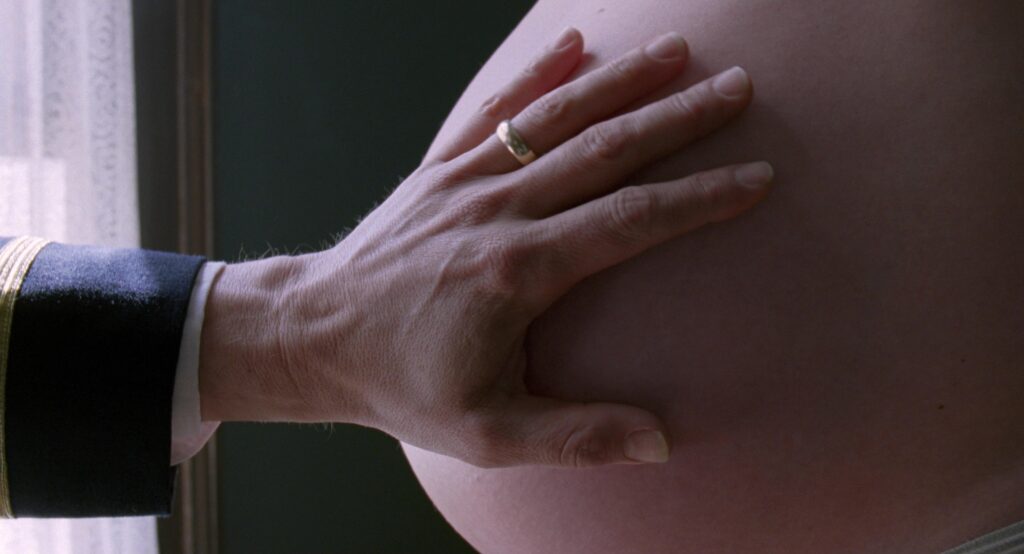
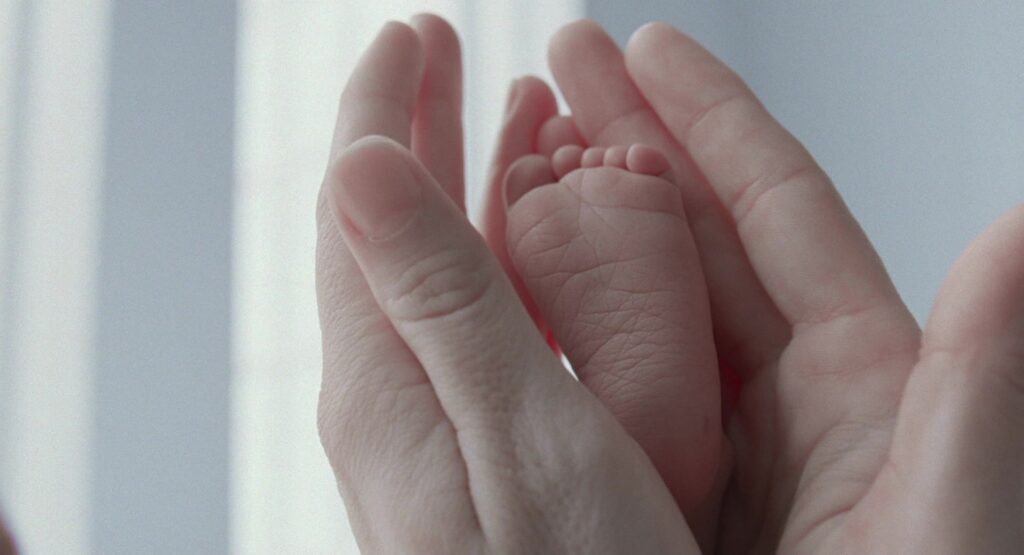
There’s barely any dialogue, and the film doesn’t need it. Much of the storytelling happens through whispered voiceover — fragments of prayer, memory, longing — layered over images rather than scenes of people talking to each other. It’s a deeply meditative, almost spiritual approach to filmmaking that asks a lot of patience from the viewer, but rewards it.
The Reception
The Tree of Life won the Palme d’Or at the Cannes Film Festival in 2011 — the festival’s highest honor. It was a divisive win even there; reports from the premiere described audiences both wildly applauding and loudly booing in the same screening, which is honestly the perfect way to summarize how people react to this film in general.
It received three Academy Award nominations, including Best Picture, Best Director for Malick, and Best Cinematography for Lubezki.
Critically, it holds a strong reputation and currently sits around 84% on Rotten Tomatoes, with many critics calling it one of the most important and ambitious films of the 2010s. It regularly appears on “best films of the decade” and “best films of the 21st century” lists. At the same time, plenty of viewers find it pretentious, slow, or simply baffling — and that split reaction is sort of baked into the film’s identity at this point.
The Legacy
The Tree of Life solidified Terrence Malick’s reputation as one of the most singular, uncompromising voices in American cinema — a director who’d rather alienate half his audience than compromise his vision. After decades of working sparingly (he only made five films between 1973 and 2011), this was Malick’s grandest, most personal statement, reportedly drawing heavily from his own childhood in Texas and the death of his brother.
The film also became something of a litmus test in film culture — “have you seen The Tree of Life?” is basically shorthand for “are you into ambitious, slow, philosophically dense cinema, or not?” It’s referenced constantly in discussions of visual storytelling, spirituality in film, and the boundaries of what a “narrative” movie can even be.
Lubezki’s work here also influenced an entire generation of cinematographers who started leaning into natural light, handheld intimacy, and long unbroken takes.
Should You Watch It?
Honestly — go in with the right expectations. This is not a movie with a clear three-act structure, satisfying resolution, or even much in the way of explained plot points. If you need answers and closure, you might leave frustrated.
But if you’re open to a film that operates more like a prayer or a piece of music than a story — something that wants you to sit with big, unanswerable questions about family, loss, faith, and our place in the universe — The Tree of Life is a genuinely transcendent experience. Few films attempt something this ambitious. Even fewer pull it off as beautifully.
Watch it when you’re not in a rush, with no distractions. Let it wash over you instead of trying to “figure it out.” Some things in this movie you’re not meant to fully understand — you’re meant to feel them.
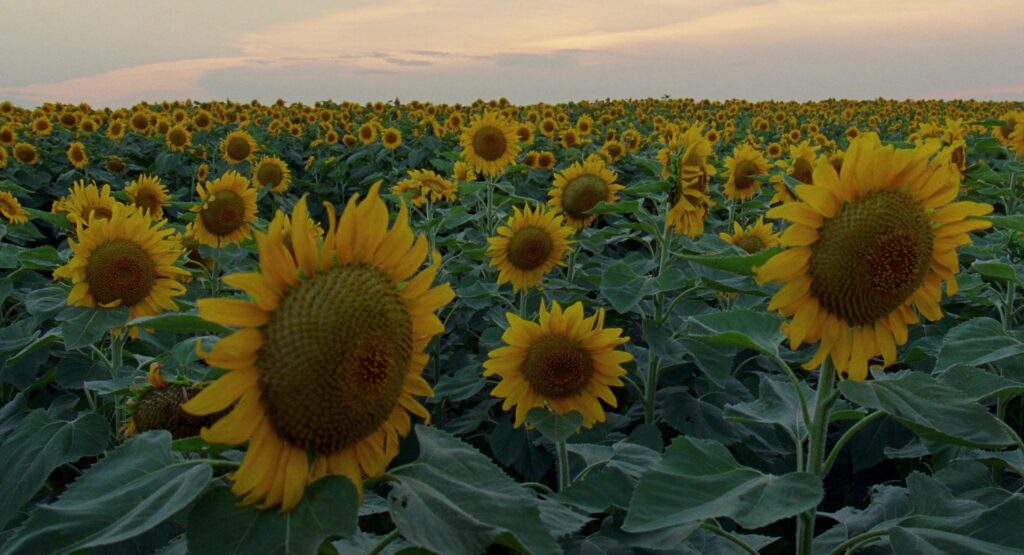
“The nun told us that no one who loves the way of grace ever comes to a bad end.”
— Mrs. O’Brien (voiceover), The Tree of Life





2 Responses
[…] The Fall’s marriage of overwhelming visuals and raw emotion speaks to you, The Tree of Life (2011) takes a similarly ambitious, image-driven approach to […]
[…] And the title itself — Paris, Texas — is a piece of poetry on its own. It’s a real place: a small town in northeast Texas, population not-that-many. Travis owns a plot of land there. He keeps a photo of it. There’s something in that idea — a place that sounds like somewhere romantic and grand, but is really just a flat, quiet patch of Texas earth. Just like the dream of a perfect life that turns out to be something much smaller, much more complicated, much more human. If you enjoy meditative cinema that explores memory, grief, and family dynamics with breathtaking cinematography, don’t miss our review of Terrence Malick’s The Tree of Life (2011). […]