
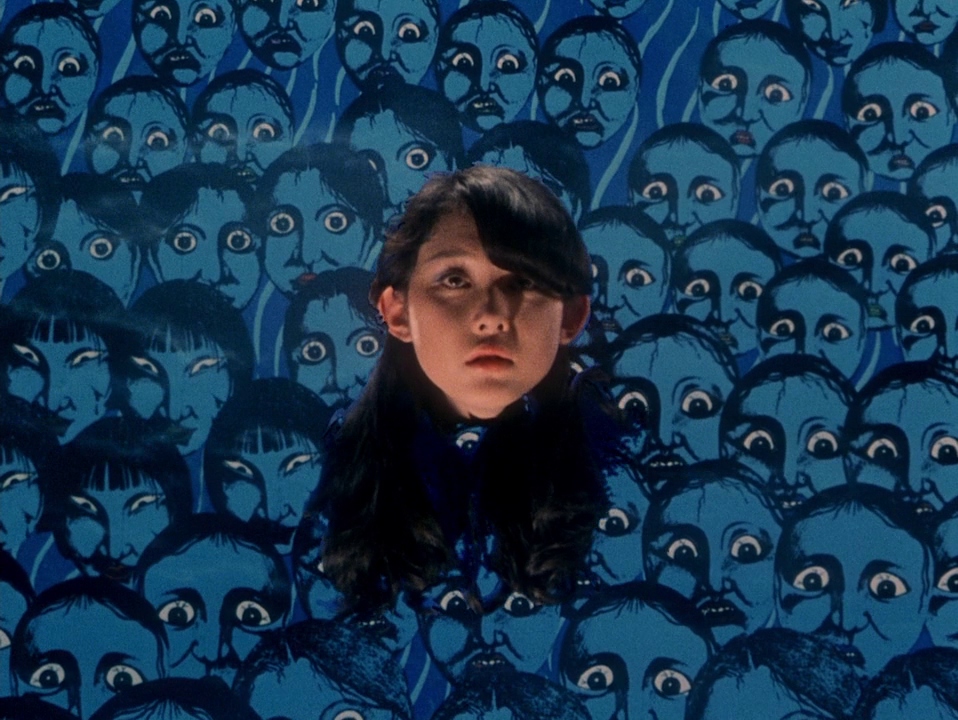
Imagine if a haunted house movie was directed by someone who had never seen a haunted house movie, didn’t really care about scaring you in a normal way, and instead just wanted to throw every single wild idea he had at the screen — animation mixed with live action, a piano that eats people, a cat that might be evil, and editing techniques that feel like a fever dream made by a commercial director on a sugar rush. That’s House (1977). And honestly? It absolutely rules.
The Basics
- Title: House (Hausu / ハウス)
- Year: 1977
- Director: Nobuhiko Obayashi
- Producer: Toho
- Screenplay: Chiho Katsura (story by Chigumi Obayashi)
- Stars: Kimiko Ikegami, Miki Jinbo, Kumiko Ohba, Ai Matsubara, Mieko Sato, Eriko Tanaka, Masayo Miyako, Yōko Minamida
- Cinematography: Yoshitaka Sakamoto
- Music: Mickey Yoshino / Godiego
- Runtime: 88 minutes
- Genre: Horror / Comedy / Fantasy / Surrealist
- Country: Japan
- Studio: Toho
What Is House (1977) About?
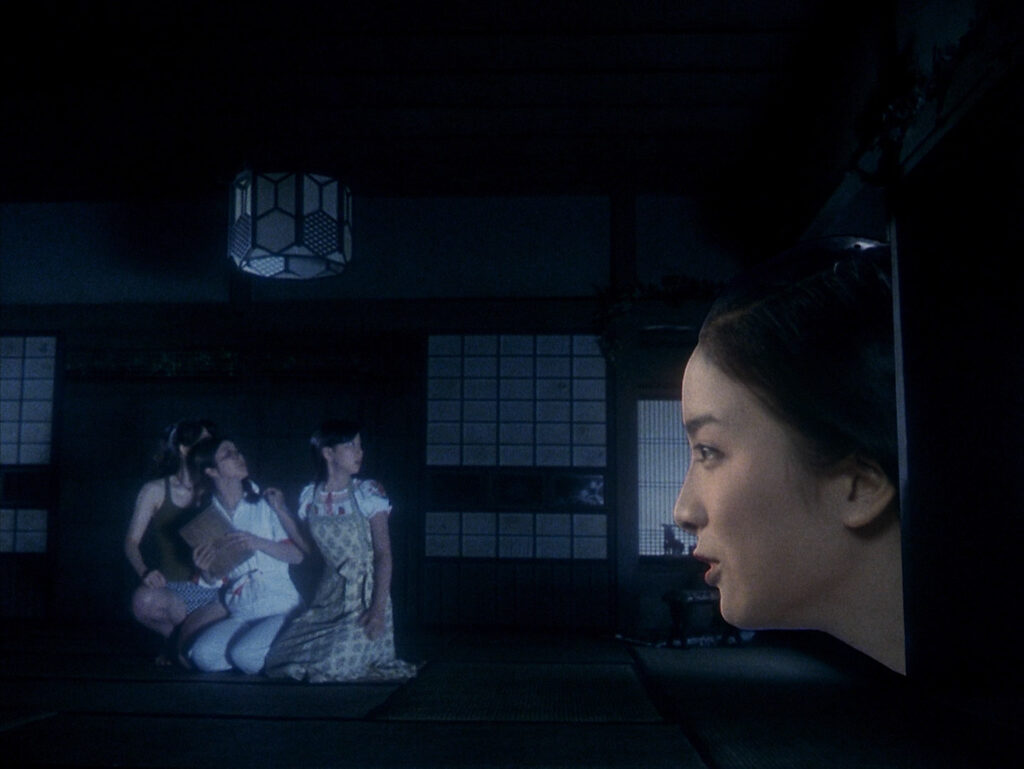
A teenage girl nicknamed Gorgeous is upset that her widowed father is remarrying, so she decides to take a trip to visit her ailing aunt at her remote countryside house, bringing along six of her friends — each one with a single defining trait, almost like they walked out of a children’s cartoon. There’s Fantasy, Kung Fu, Prof (the smart one), Melody (the musical one), Sweet (the sweet one, naturally), and Mac (who is, charmingly, always hungry).
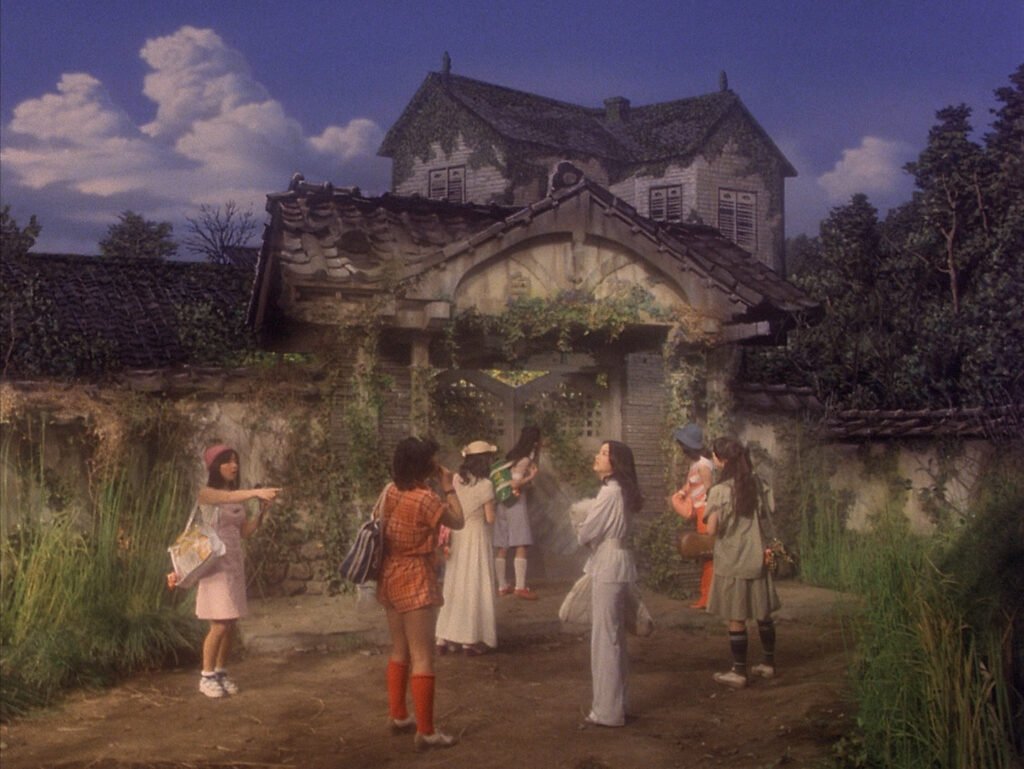
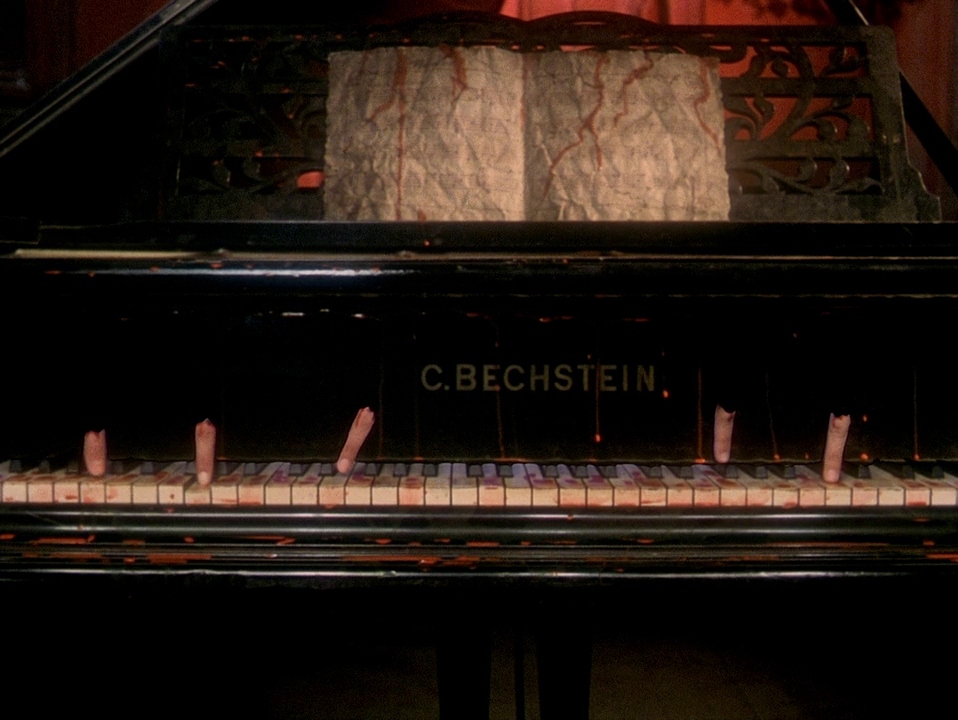
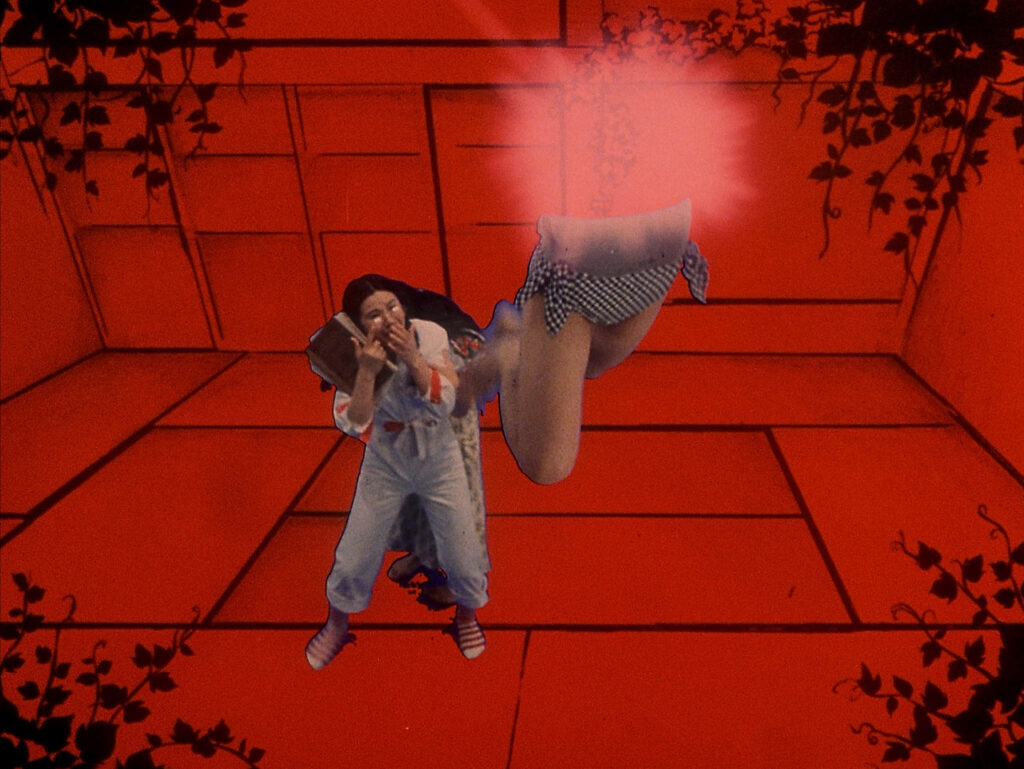
What seems like a sweet little group getaway quickly turns into an absolute nightmare once they arrive. The house, it turns out, is alive — hungry, even — and it starts picking the girls off one by one in increasingly bizarre, inventive, and frankly delightful ways. There’s a piano that devours someone finger by finger while playing itself. There’s a watermelon that becomes oddly significant. There’s a possessed cat. Things bleed in ways that defy basic biology. Furniture attacks people. It escalates fast and never really slows down.
Why House (1977) Is an Absolute Trip
Nobuhiko Obayashi came from advertising, and you can feel it in every frame. Before making House, Obayashi spent years directing commercials in Japan, and this background shows up everywhere — rapid editing, bold colors, collage-style visual effects, and a willingness to throw conventional filmmaking rules out the window entirely. The film doesn’t behave like a normal narrative movie. It behaves like a hundred different short, surreal commercials stitched together into something resembling a horror story.
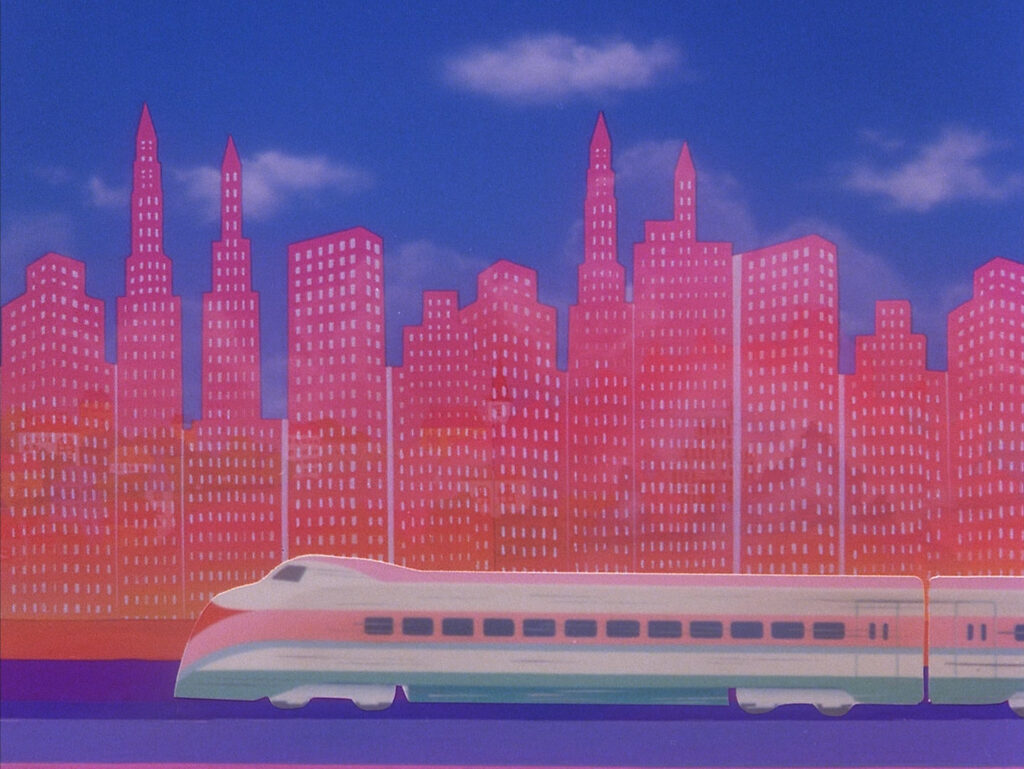
The visual effects are deliberately, gloriously fake — and that’s exactly the point. This isn’t a movie trying to convince you anything is “real.” Backgrounds are painted. Effects are achieved with in-camera tricks, animation, matte paintings, and techniques that look almost theatrical rather than cinematic. It creates this constant feeling that you’re watching something between a horror film, a music video, and a children’s picture book that got way too dark.
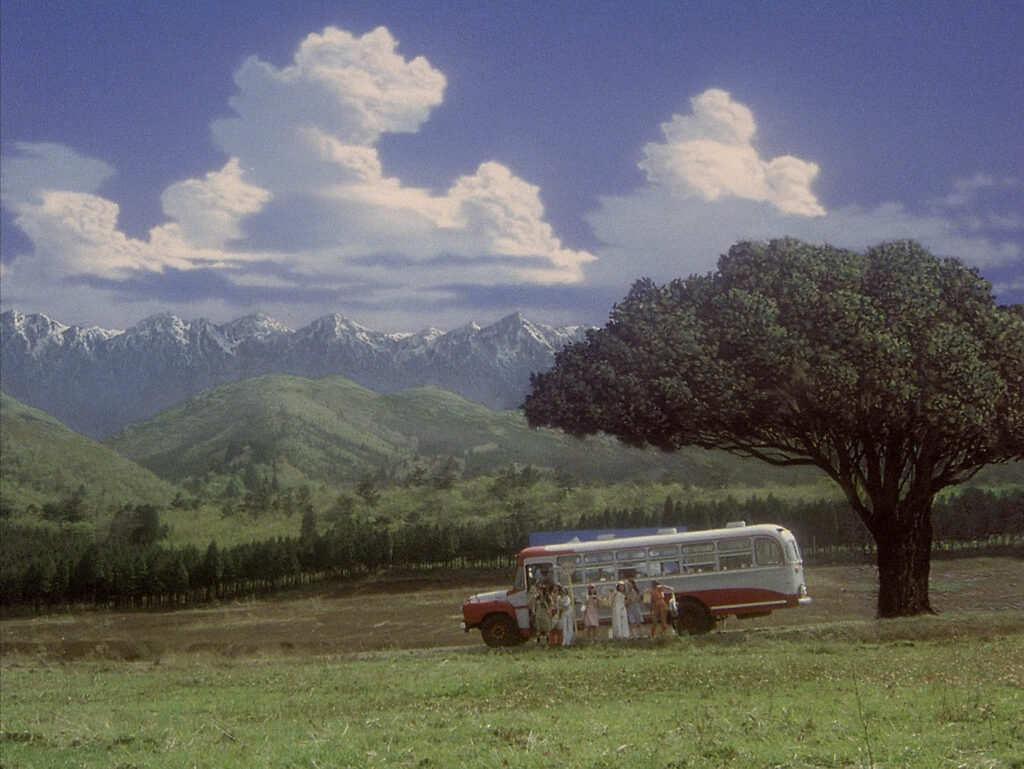
Toho reportedly didn’t even know what to do with it. The story goes that Toho initially asked Obayashi to come up with a Jaws-style hit after that film’s massive success in Japan, and what they got back was… this. Apparently Toho’s own in-house screenwriters refused to write the script because it was considered too bizarre, so Obayashi had his own teenage daughter Chigumi help develop the original story and concept — which goes a long way toward explaining the film’s wonderfully childlike, dreamlike sense of logic and fear.
The tone constantly whiplashes between horror and comedy, and that’s part of the charm. One moment something genuinely creepy or gory is happening, and the next there’s a goofy sound effect or a character doing something cartoonishly over-the-top. It shouldn’t work as well as it does, but the constant tonal whiplash is exactly why the film feels so distinct from basically anything else in the genre.
The score by Godiego is unexpectedly catchy and adds to the surreal charm. The film’s main theme is upbeat, almost cheerful, completely at odds with the horror happening on screen — and that contrast becomes part of the film’s signature, slightly unhinged personality.
The Reception
House was a notable hit in Japan upon release in 1977, helped along by its unconventional, attention-grabbing marketing and Obayashi’s background in advertising, which he leaned into heavily for the film’s promotion.
For a long time though, House remained relatively obscure outside Japan, mostly known to dedicated cult cinema fans through word of mouth and limited screenings. That changed significantly when the Criterion Collection restored and released the film internationally in 2010, introducing it to a whole new generation of horror and cult film fans who were completely unprepared for what they were about to watch.
Since then, its reputation has only grown. It currently holds strong acclaim among critics and audiences who’ve discovered it, frequently praised for its originality, visual inventiveness, and gleeful disregard for convention. It’s become a beloved staple of midnight movie screenings and cult cinema retrospectives around the world.
The Legacy
House has become something of a cult classic benchmark for “so weird it has to be seen to be believed” cinema. It’s frequently cited alongside other gonzo, genre-defying cult films as proof that horror doesn’t need to follow any specific rulebook to be effective, memorable, or downright fun.
Its influence can be felt in the wave of stylish, visually inventive horror-comedy that followed, and it’s often pointed to in discussions of Japanese genre cinema’s willingness to experiment wildly compared to more rigid horror conventions in other film industries. Nobuhiko Obayashi continued making films until his death in 2020, but House remains by far his most internationally recognized and beloved work.
It’s also just become a genuine favorite for horror fans looking for something that doesn’t take itself too seriously while still being legitimately strange and memorable — a perfect “watch this with friends” kind of film.
Should You Watch It?
Yes, a thousand times yes — especially if you’re tired of horror movies that all feel the same. House is unpredictable, visually inventive, frequently hilarious, occasionally genuinely creepy, and completely unlike anything else you’ve probably seen. It doesn’t ask to be taken too seriously, and it rewards you for just going along for the ride.
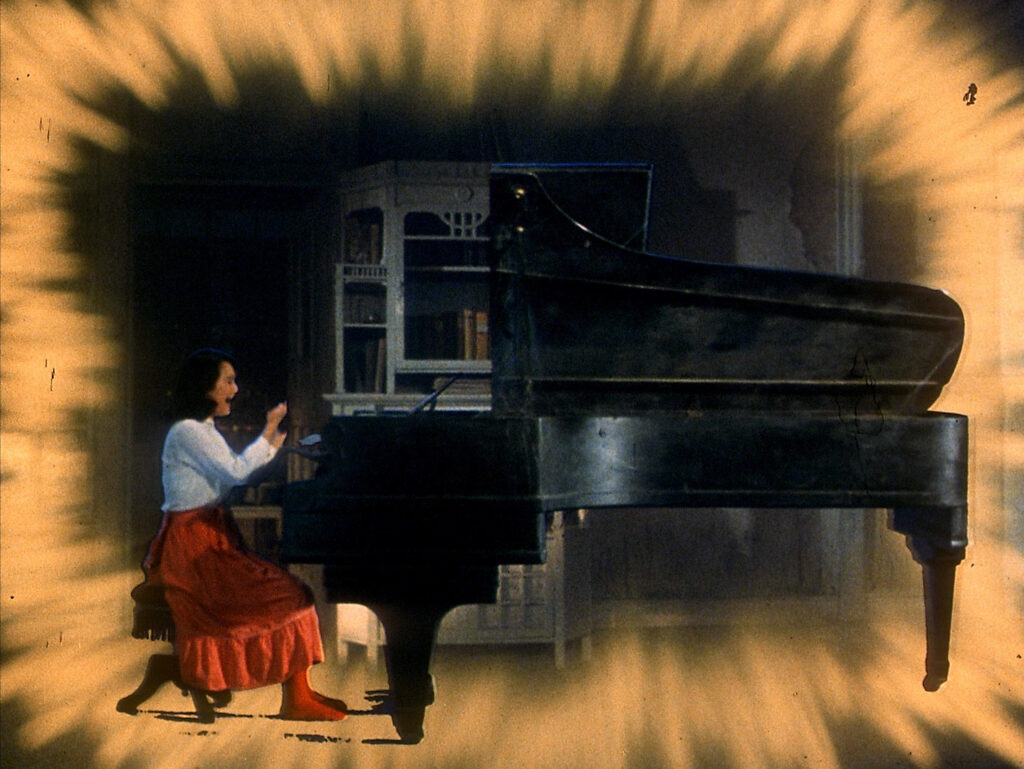
Watch it with friends, ideally with snacks, and just let the absolute chaos wash over you. By the time the killer piano scene rolls around, you’ll either be completely won over or hopelessly confused — and honestly, both reactions are completely valid.
“My aunt is waiting for us.”
— Gorgeous, House










2 Responses
[…] that prioritize bold visual style over conventional storytelling, don’t miss our guide to House (1977)—another unforgettable cult classic released the very same […]
[…] in Japanese films that completely reject conventional filmmaking, don’t miss our guide to House (1977)—another unforgettable cult classic that pushes cinematic experimentation in a wildly different […]